Blog

The Structure of Architecture
Photography
The Structure of Architecture
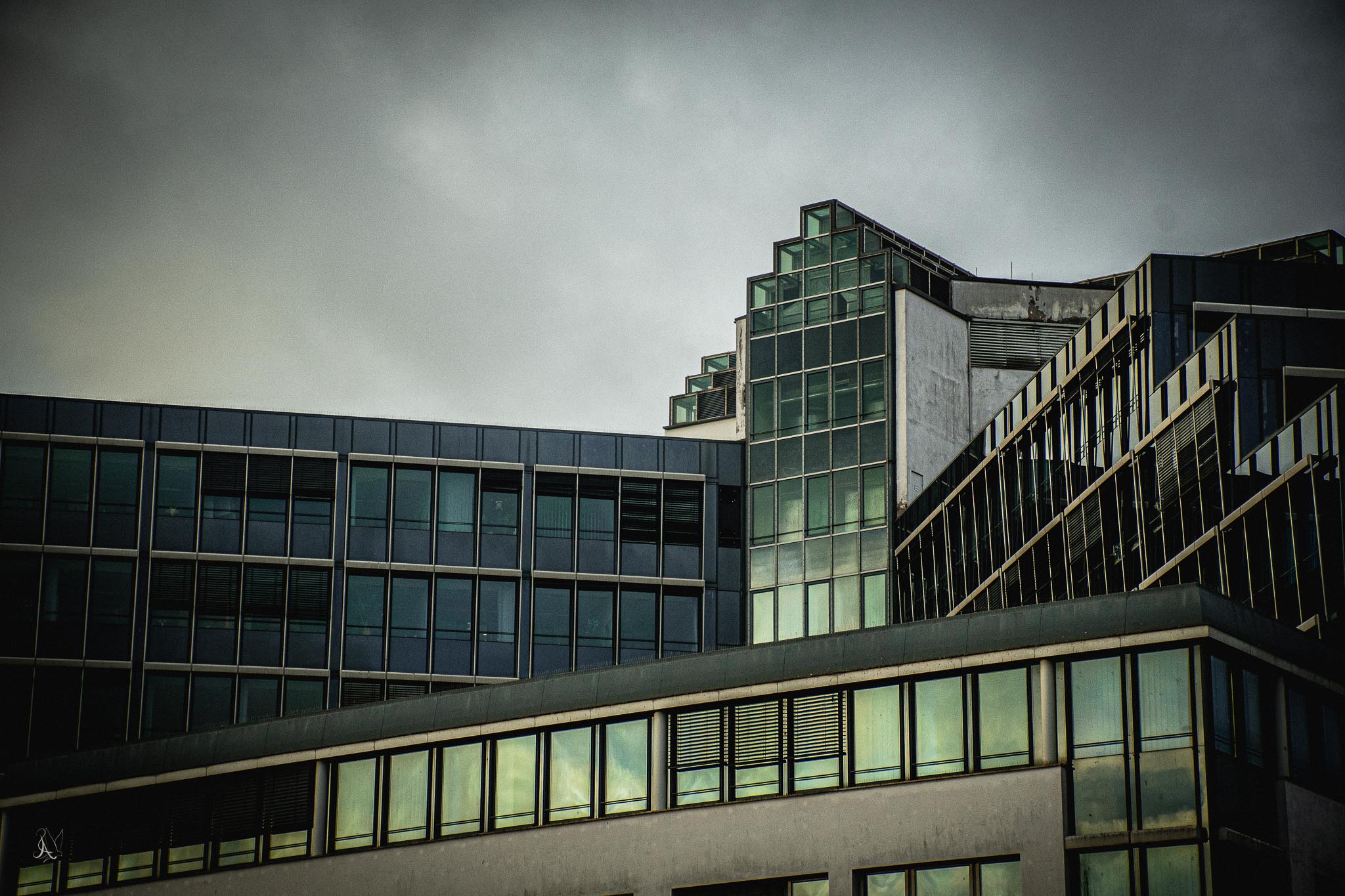
While Exploring the streets of German cities I grew to appreciate architecture that I had never experienced before. The history of the a country can be represented and preserved in many different ways but the one that stands out the most when you are walking around is the architecture. Walking through each district shows the evolution of styles and influences. The early styles like Baroque and the extravagant flourishes that represented wealth, power, and prosperity. The Bauhaus movement of efficiency, modernity, and functionality. The Brutalist structures that conveyed power, strength, and an imposing feeling. What I found in my observations gave me an interest in finding what more there was to see around Germany.
Curiosity and Composition
When looking for different compositions of architecture for my photos I had a lot to consider. Between positioning of the elements of the building and finding a focal point for each I often walked around them finding what I could determine would be the best way to view each of them. It can be hard to show off the grandiosity of a building from the ground as the photos will always be looking up at the subject. Sometimes this is beneficial, like with more modern structures that are framed more often with lines and shapes that are easier to show at a wide angle without distorting or obscuring the details. However with the older structures that are best viewed up close because of the sheer amount of detail finding a focal point can be challenging at best. So knowing where to point the camera became the main challenge I would focus on when looking at these magnificent buildings
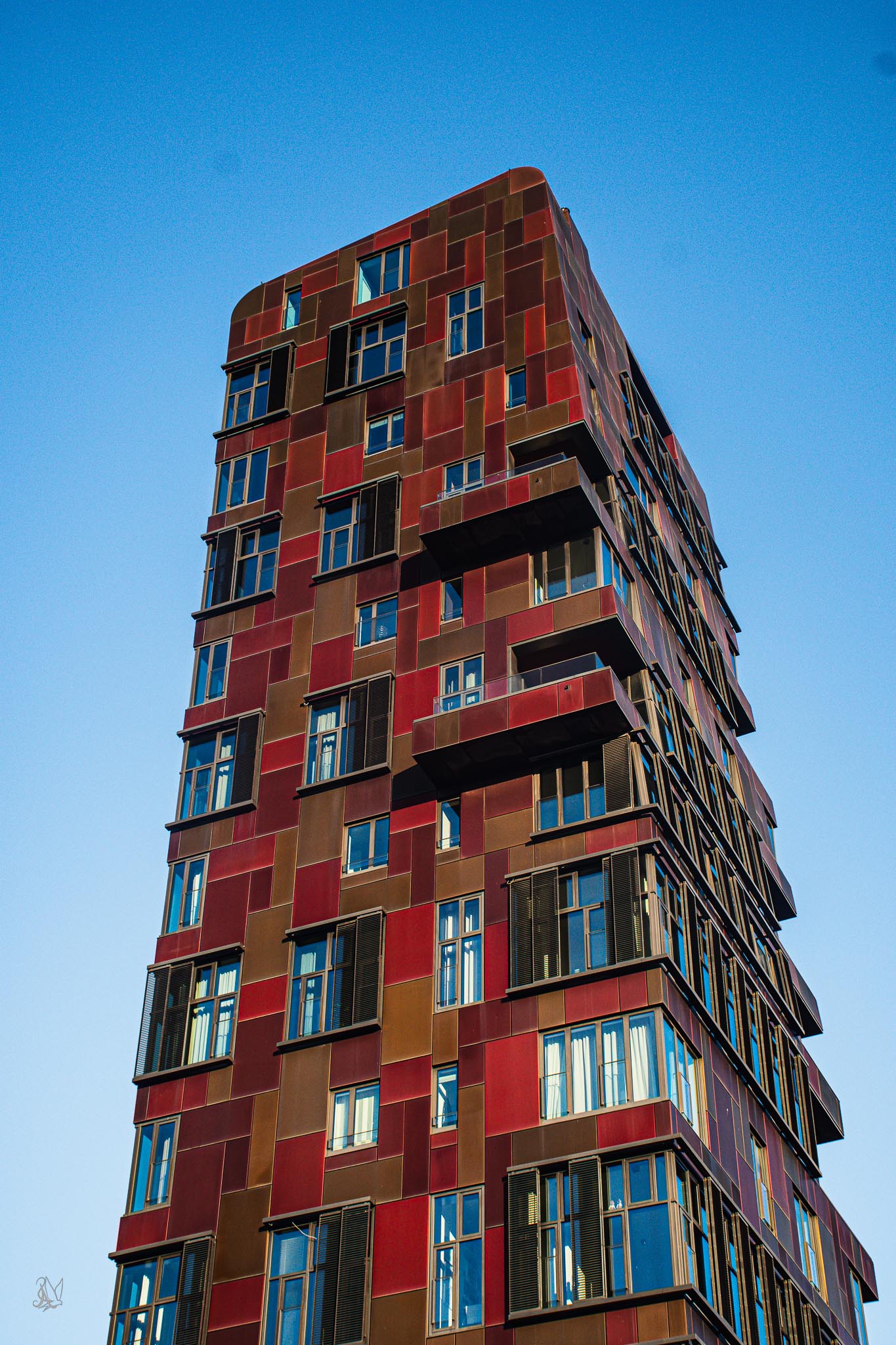
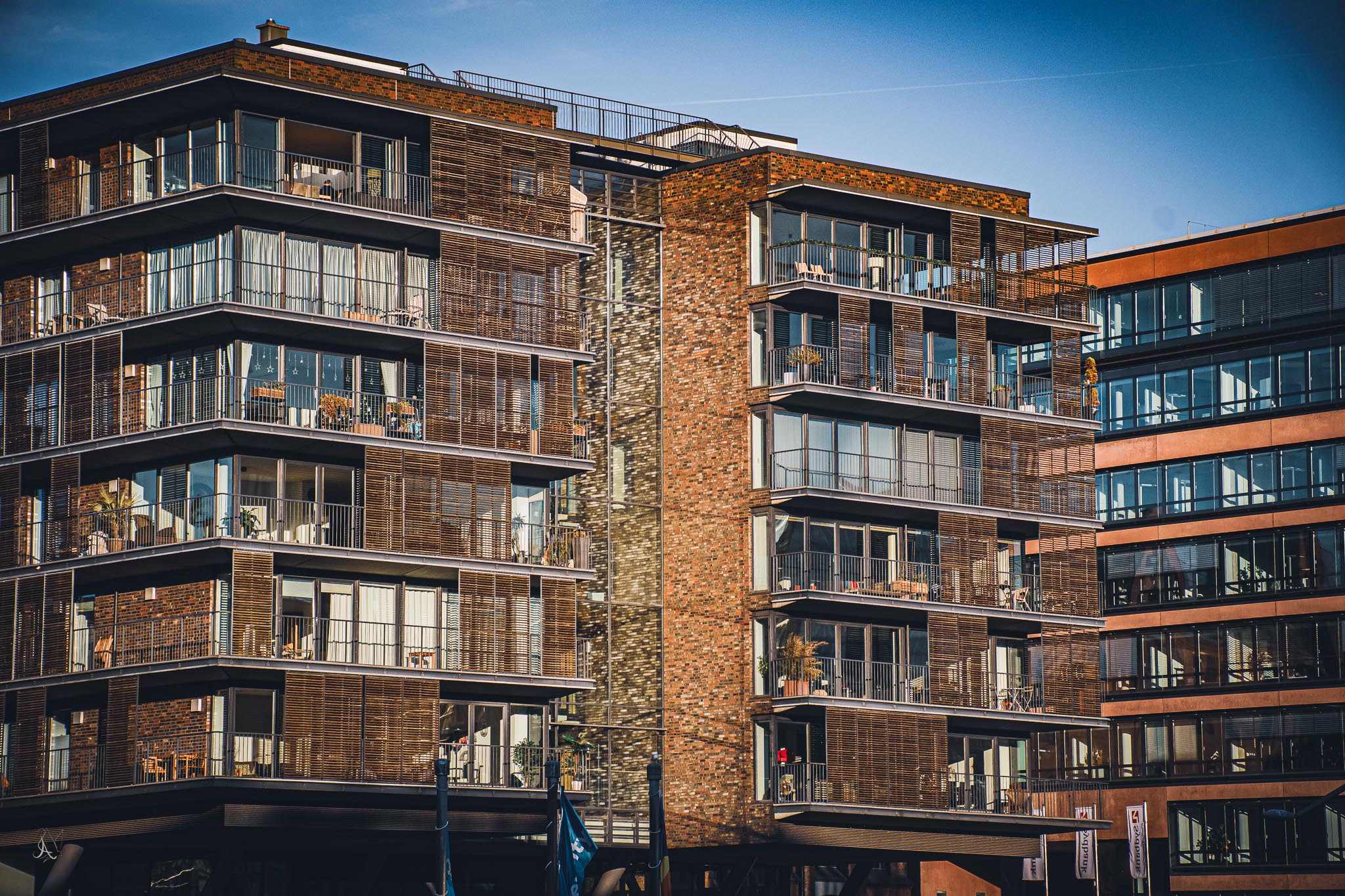
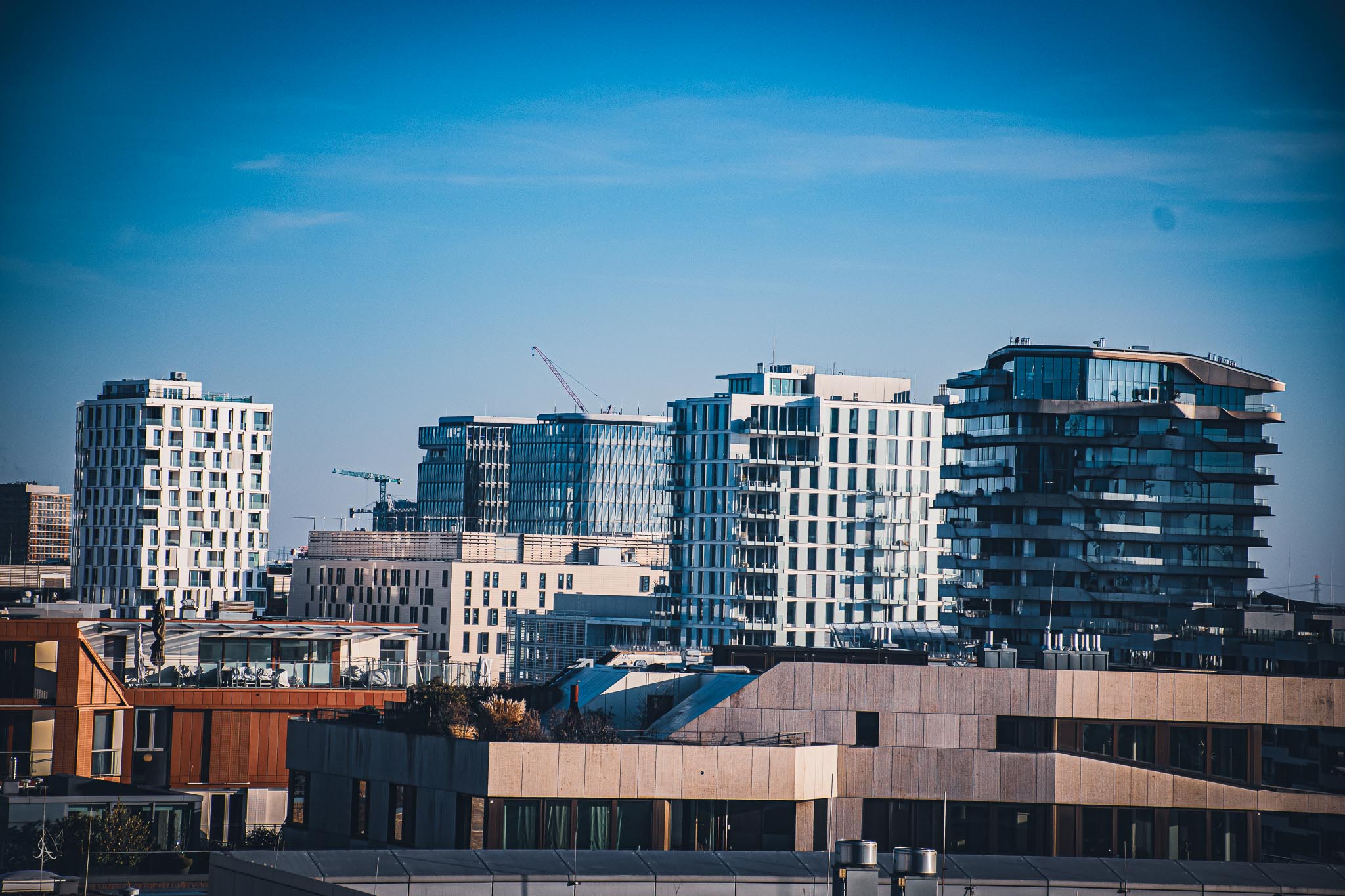
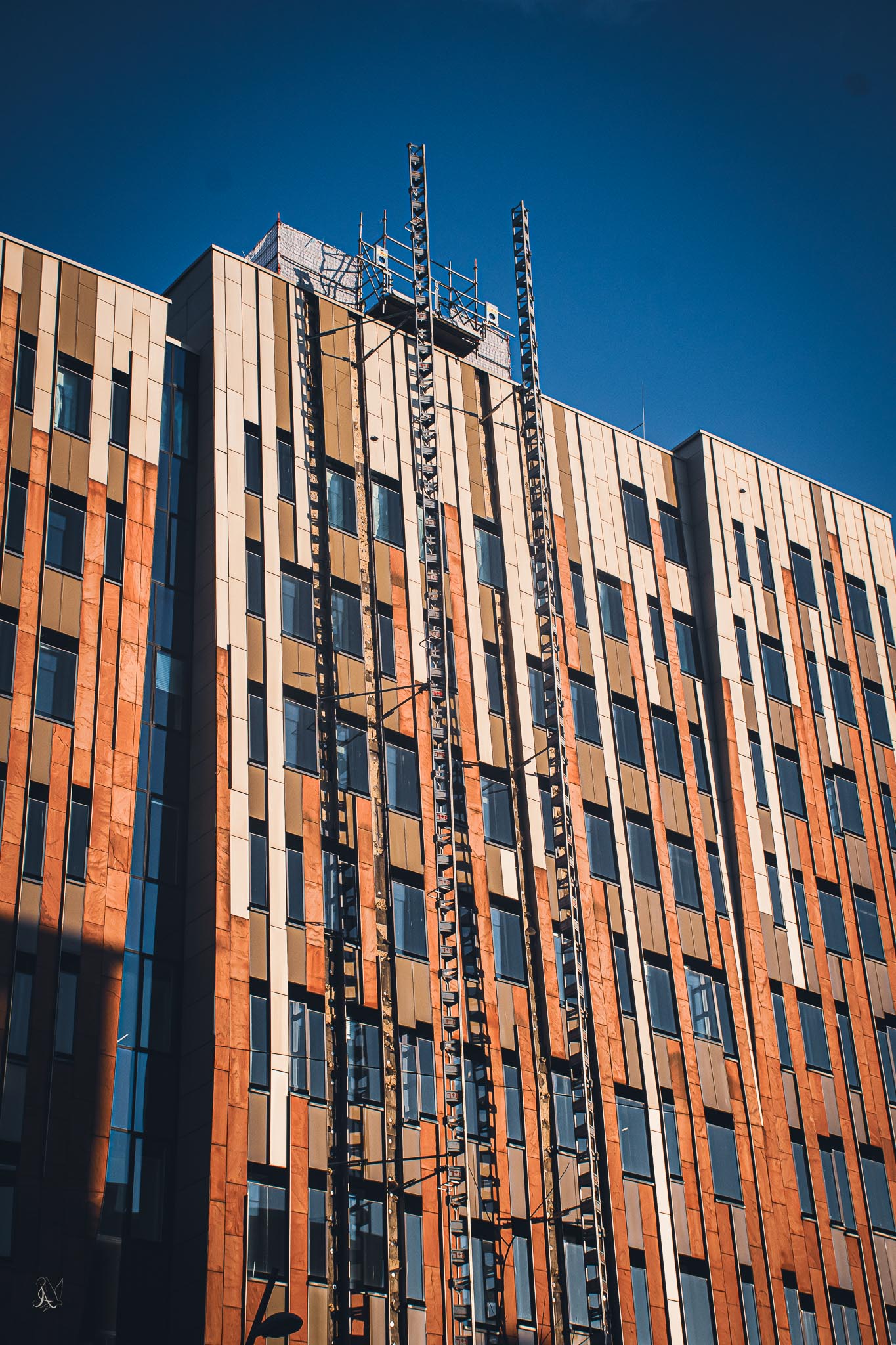
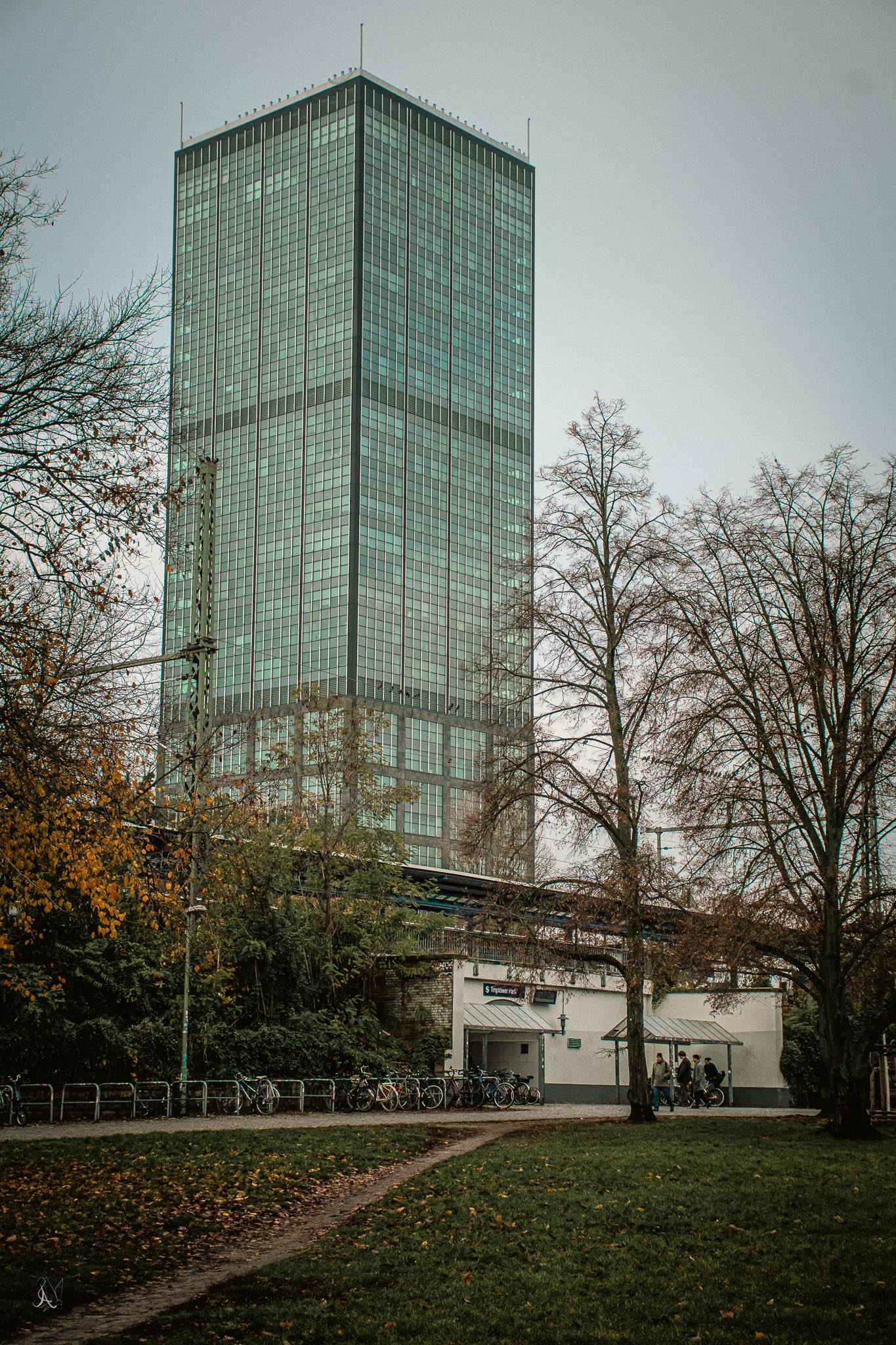
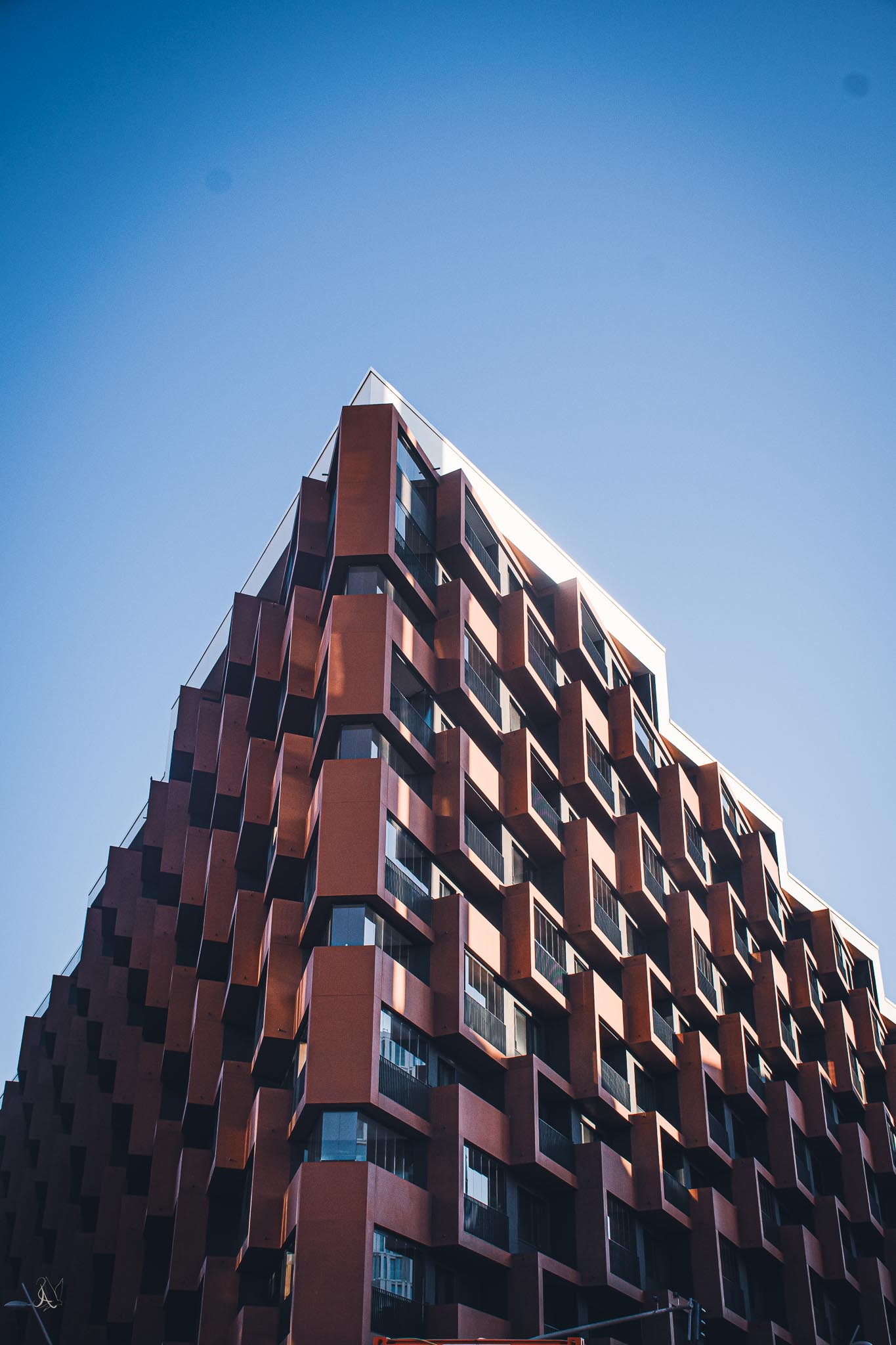
For my more modern structures the simplicity of them often made them easy to focus on the shapes that they created. From each specific angle they would guide the viewer across the image in ways that were often satisfying to the eye. However I had to make an effort to not make the images too busy especially when looking at the skylines of these major cities. It was very easy for the focus to get lost and to overwhelm the photo in many different detailed buildings.
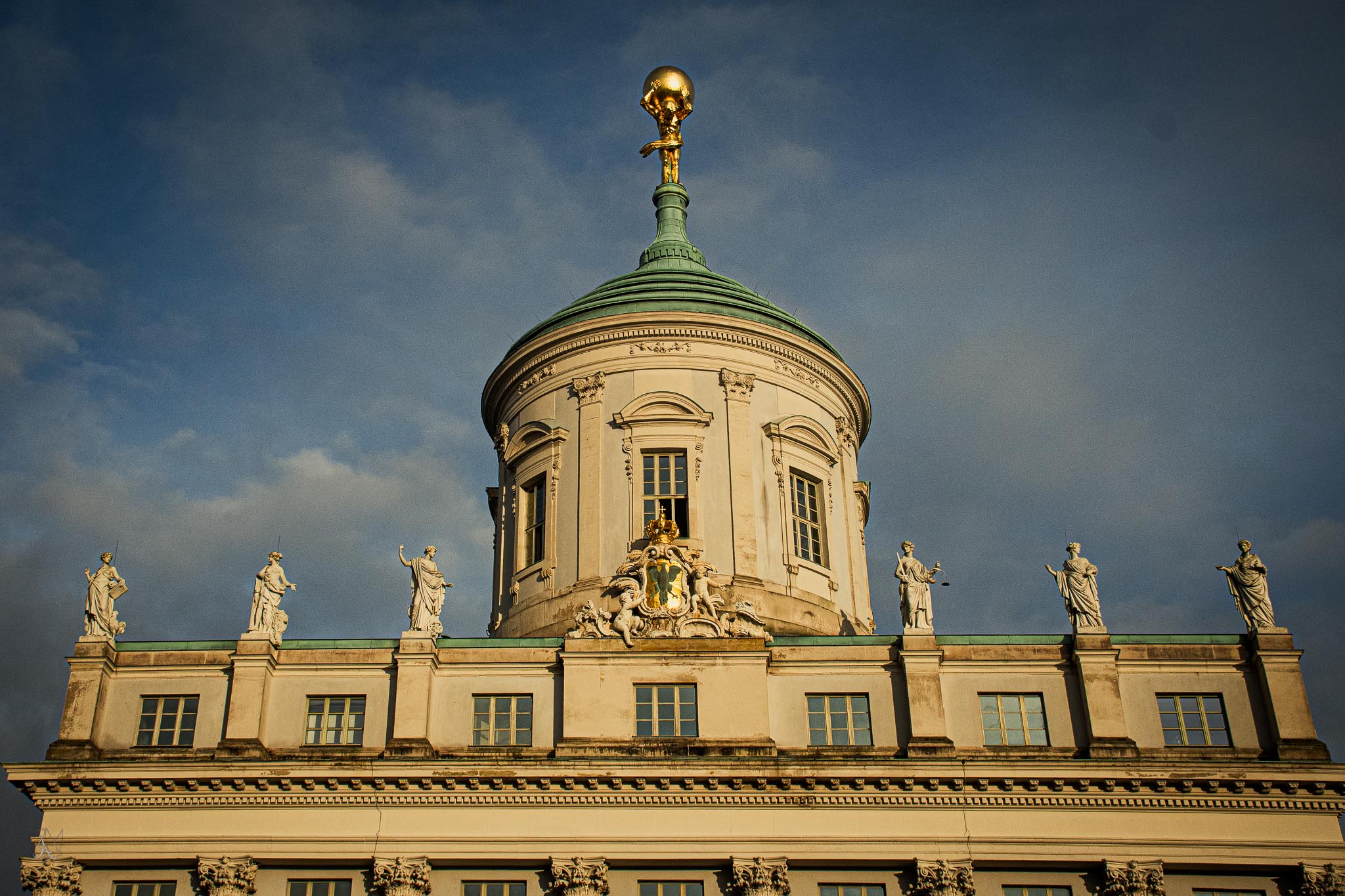
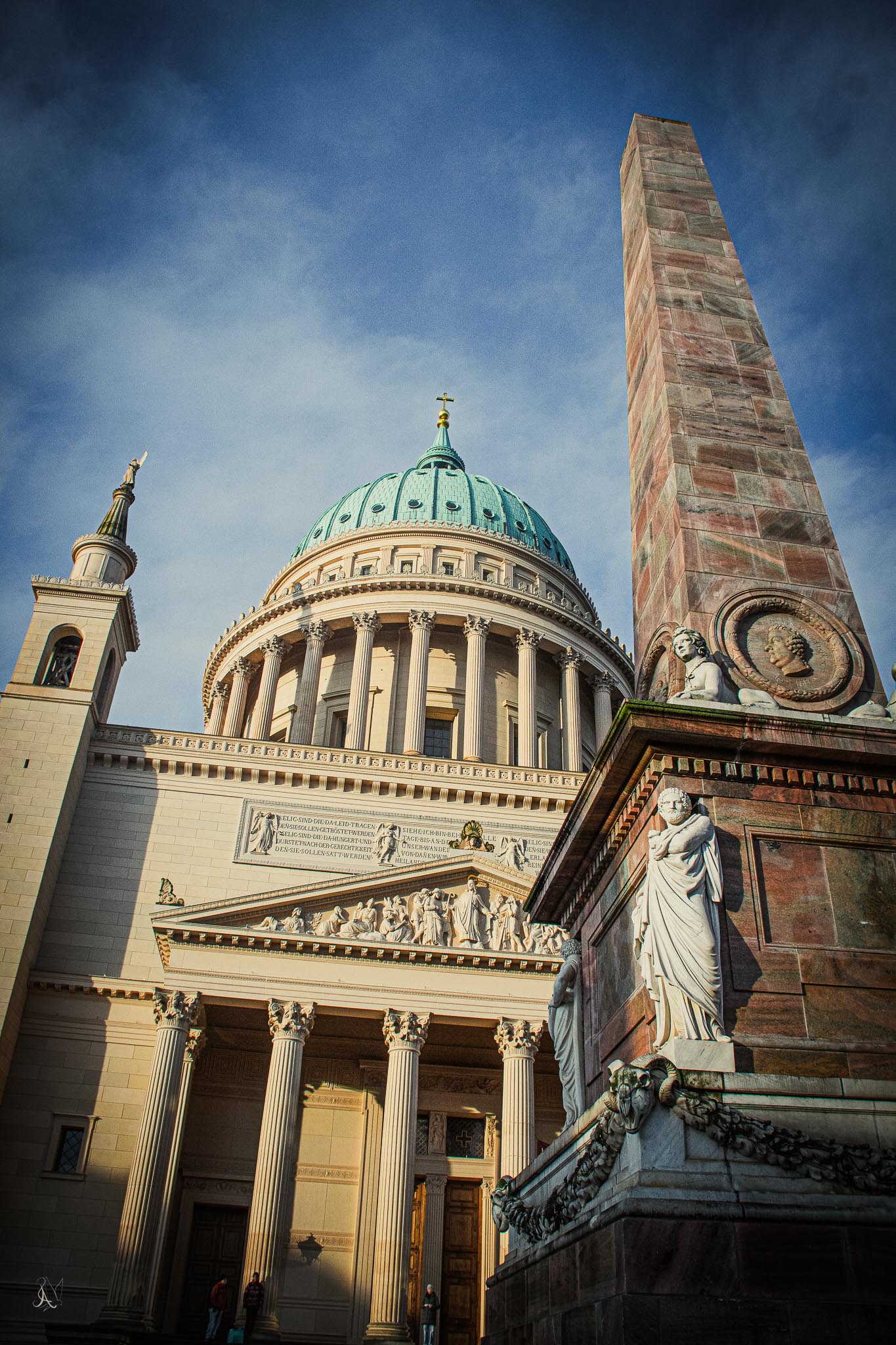
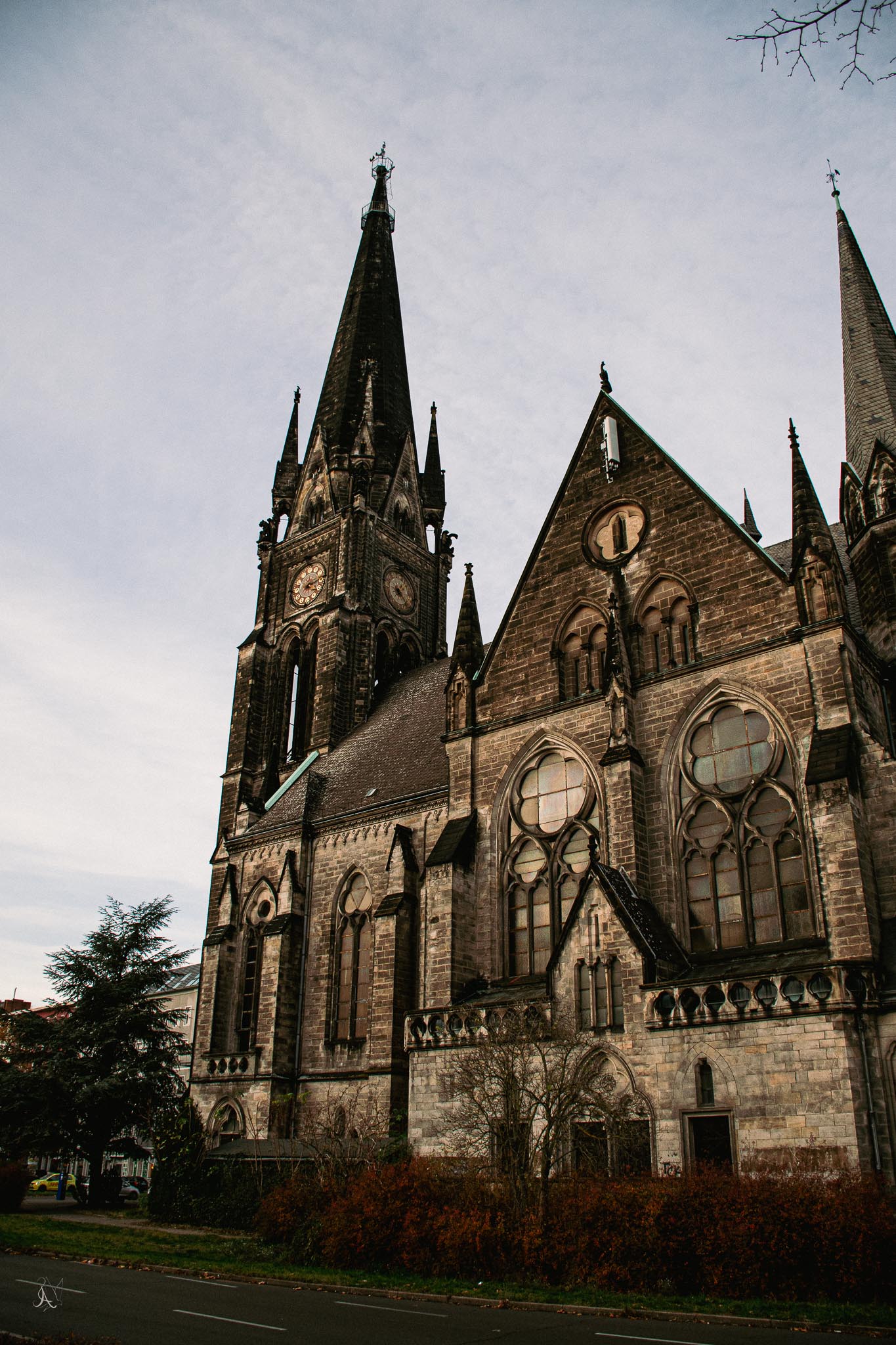
What the modern structures presented in simplicity and linearity the structures of antiquity presented an antithetical perspective of complexity and detailed artwork crafted from the works of many different artists and time periods. These structures were meant to project wealth and power of the church and state the dominated the region at the time of their construction. The many statues placed atop pillars of metal and stone, facades that curved and crossed, and domed or pointed roofs that reached up into the sky projected their influence on their surroundings. These photos had to really project that to the viewer and coming up close with a view pointed at a high angle often gave the best perspective of that. However this often made it so the details were lost in the busy structures.
Focusing on the Details of Antiquity
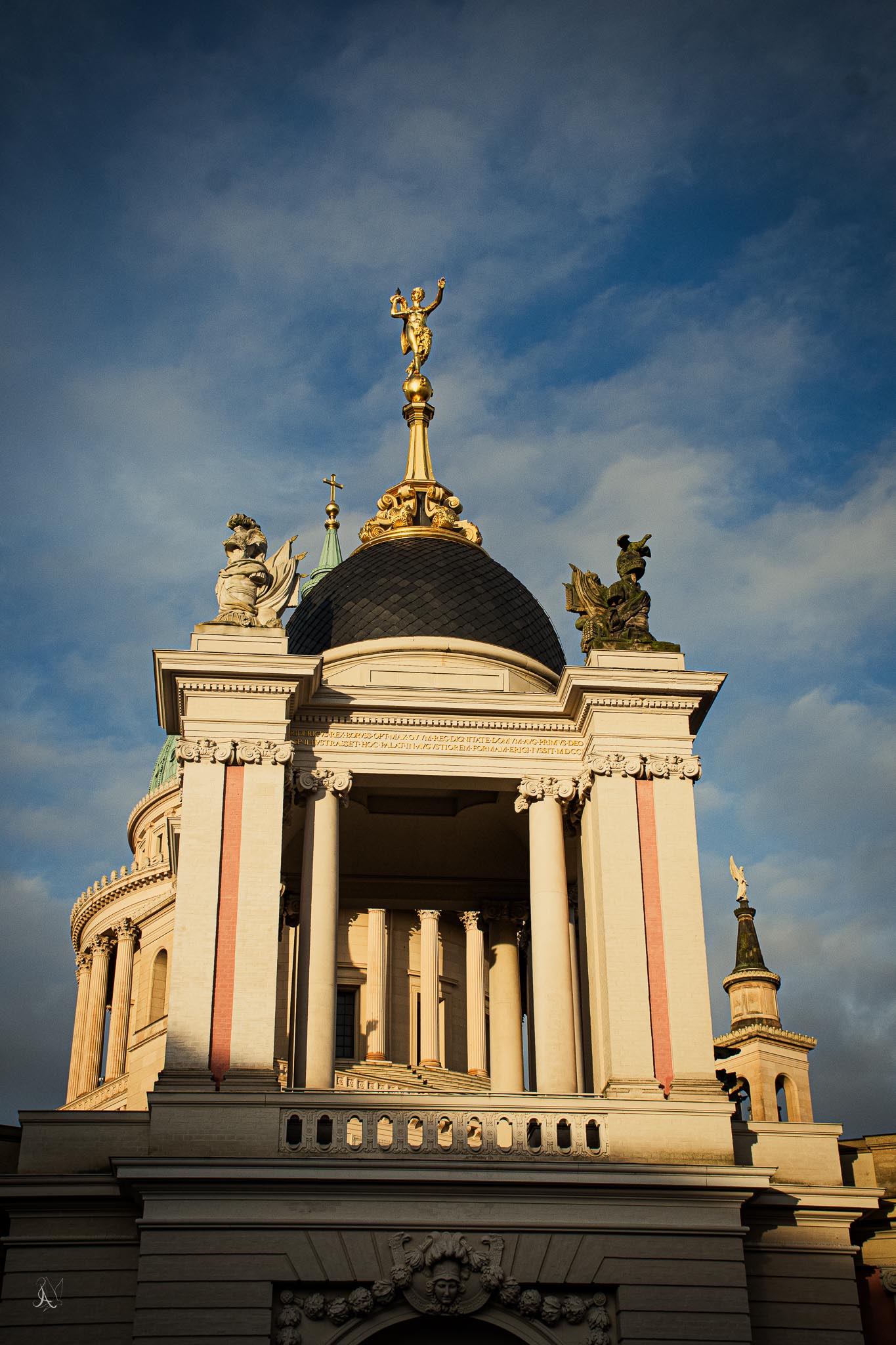
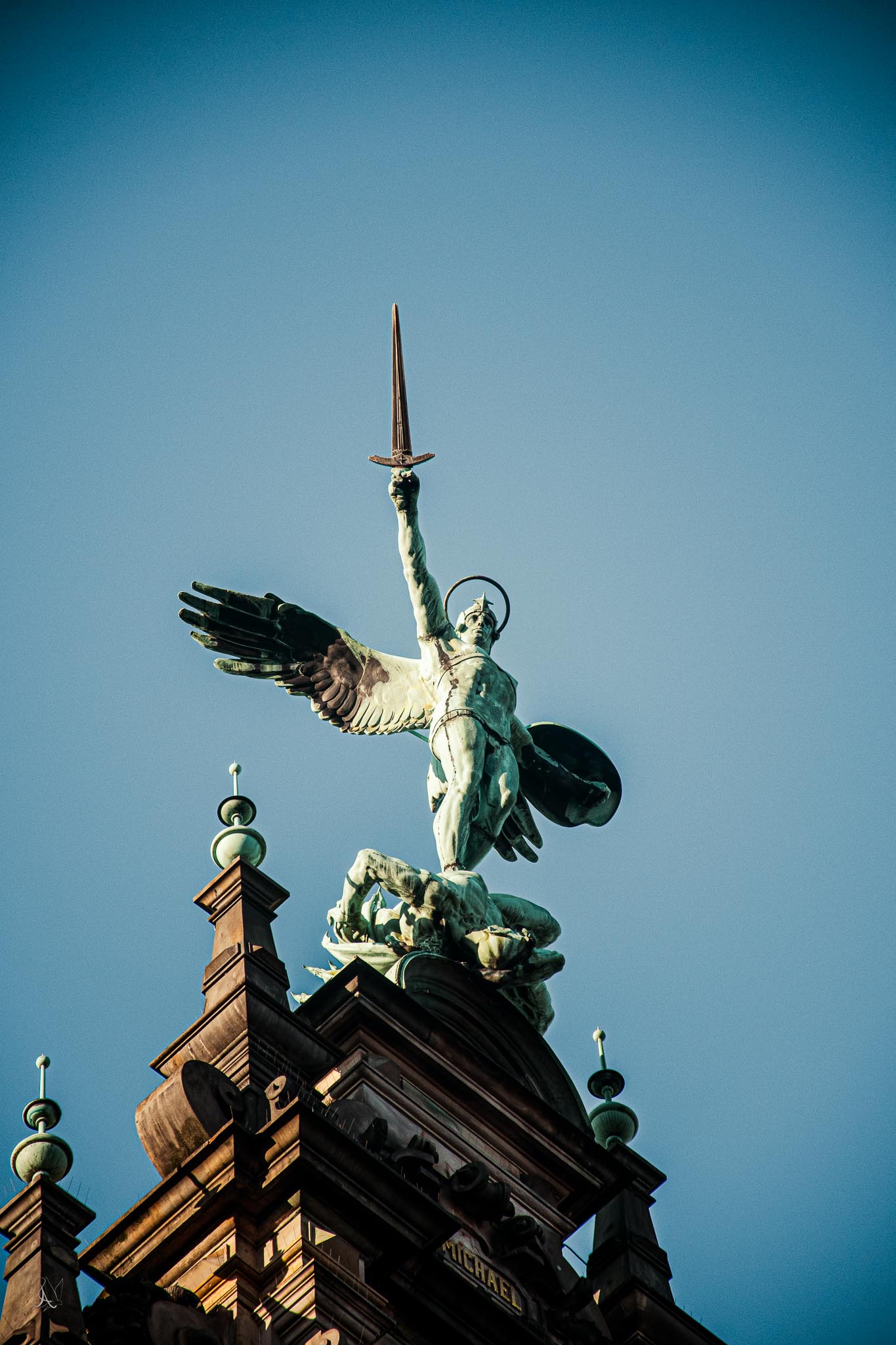
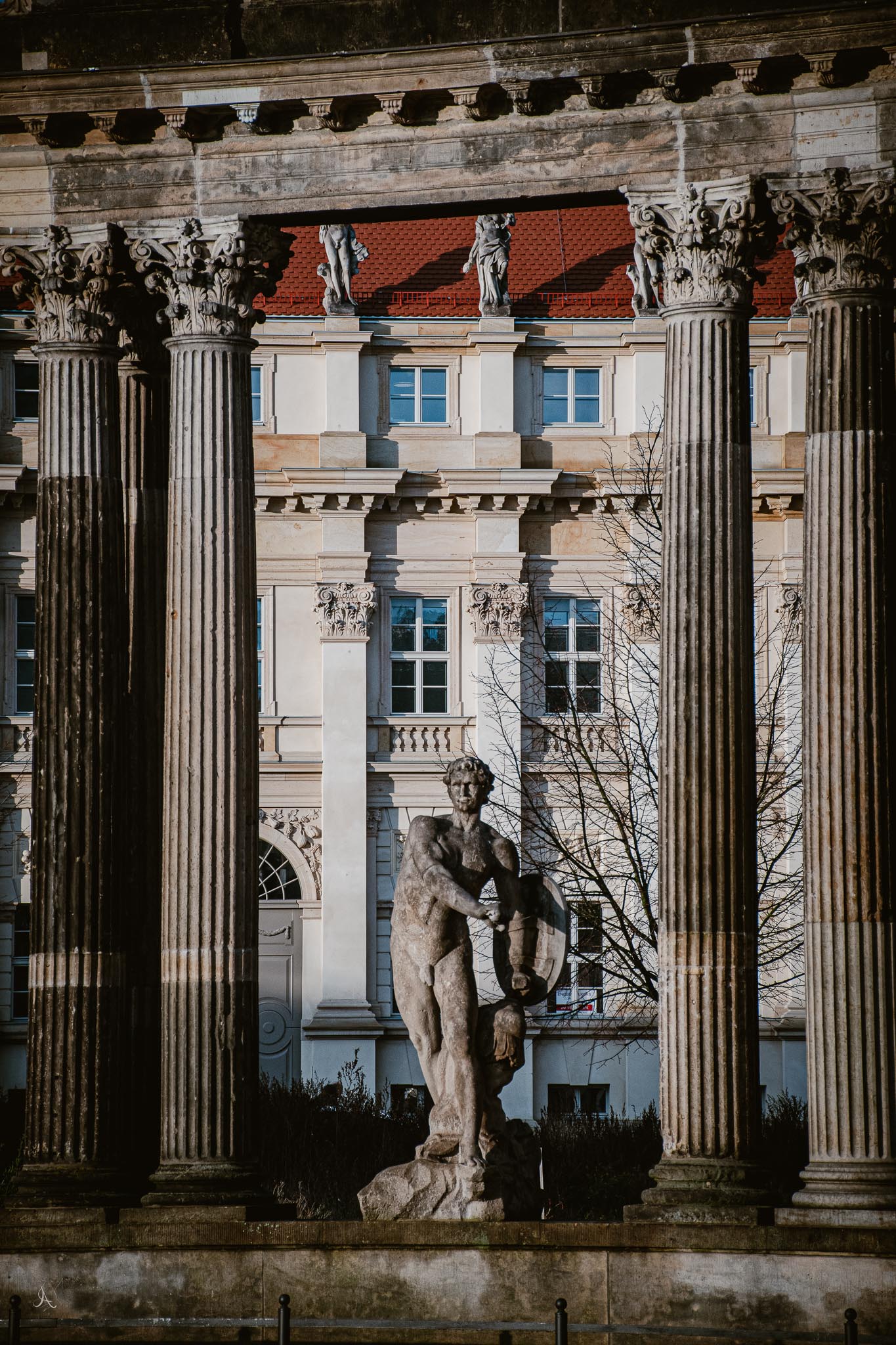
Something I noticed a lot when I was looking at these huge detailed structures from the ages of antiquity was that they had a fascination with statues and the human form being presented in such a magnificent way. Whether that was depicting the legends of ancients or their own heroes of the time they would find any reason to give these people a presence in what they considered their grandest forms of architecture. So when looking at these structures often I would search for these people and depict them in a way that showed how they lorded over these buildings. Whether it was over churches or the centers of government each of them had a story to tell the people around them
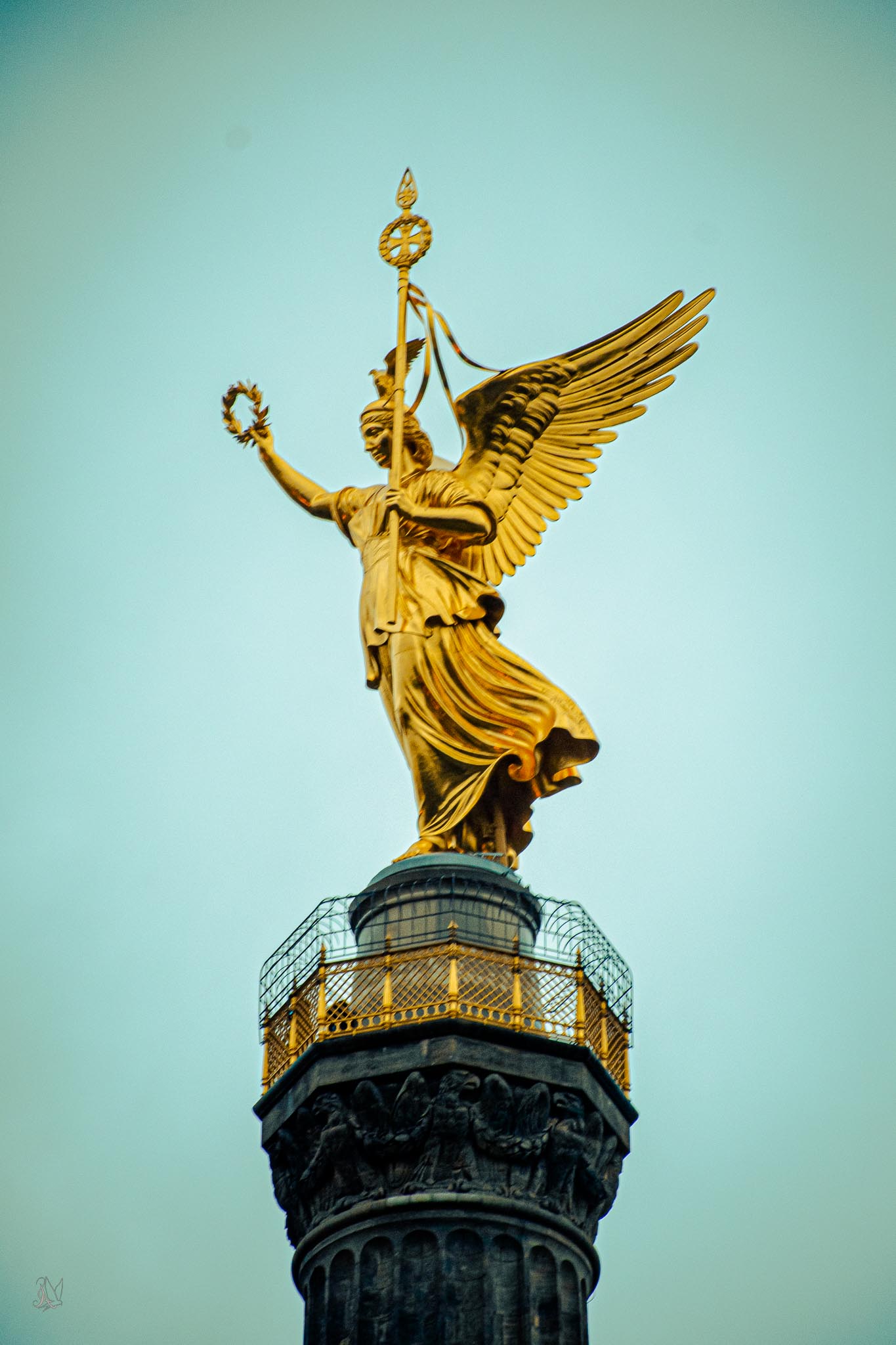
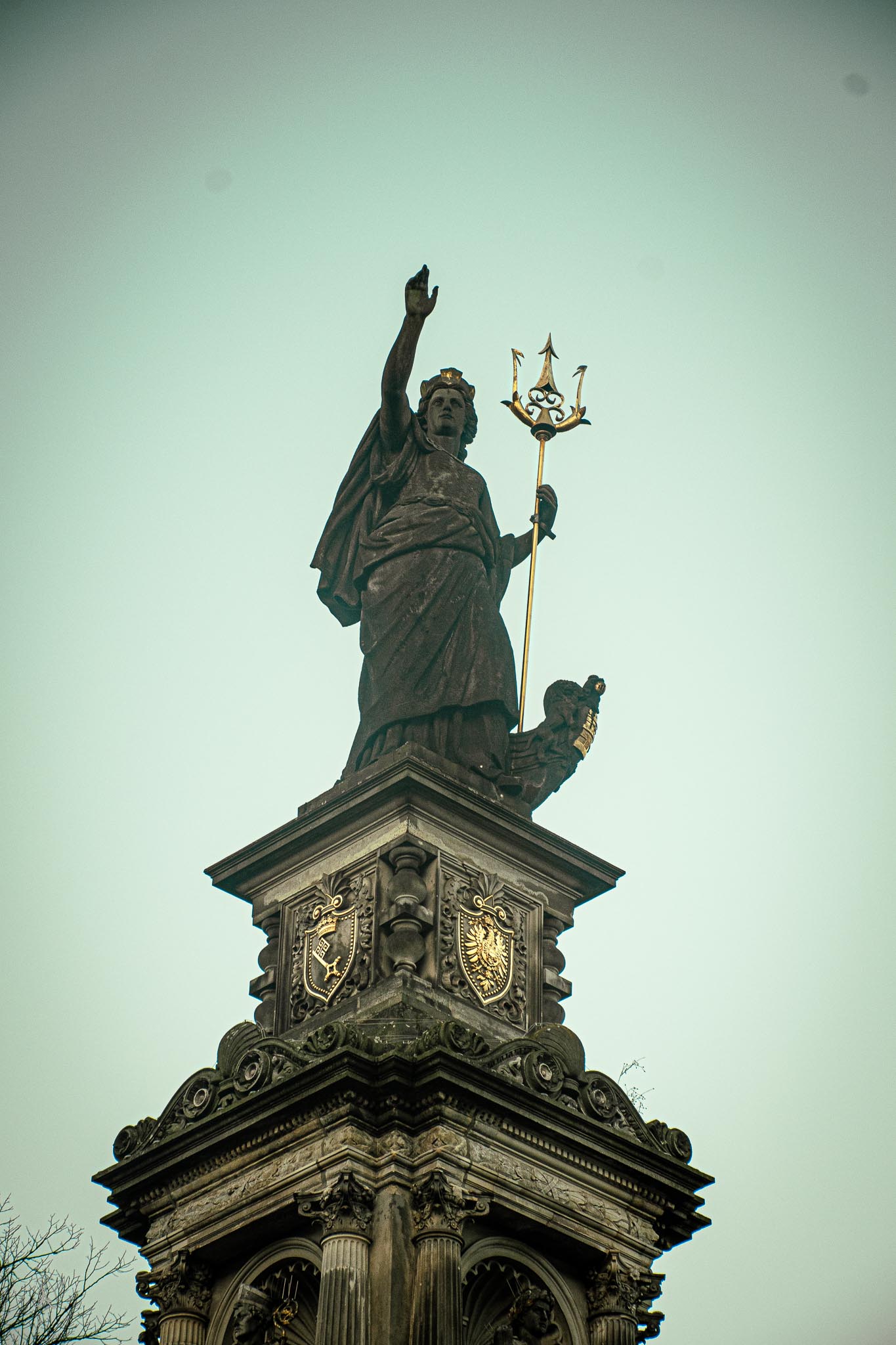
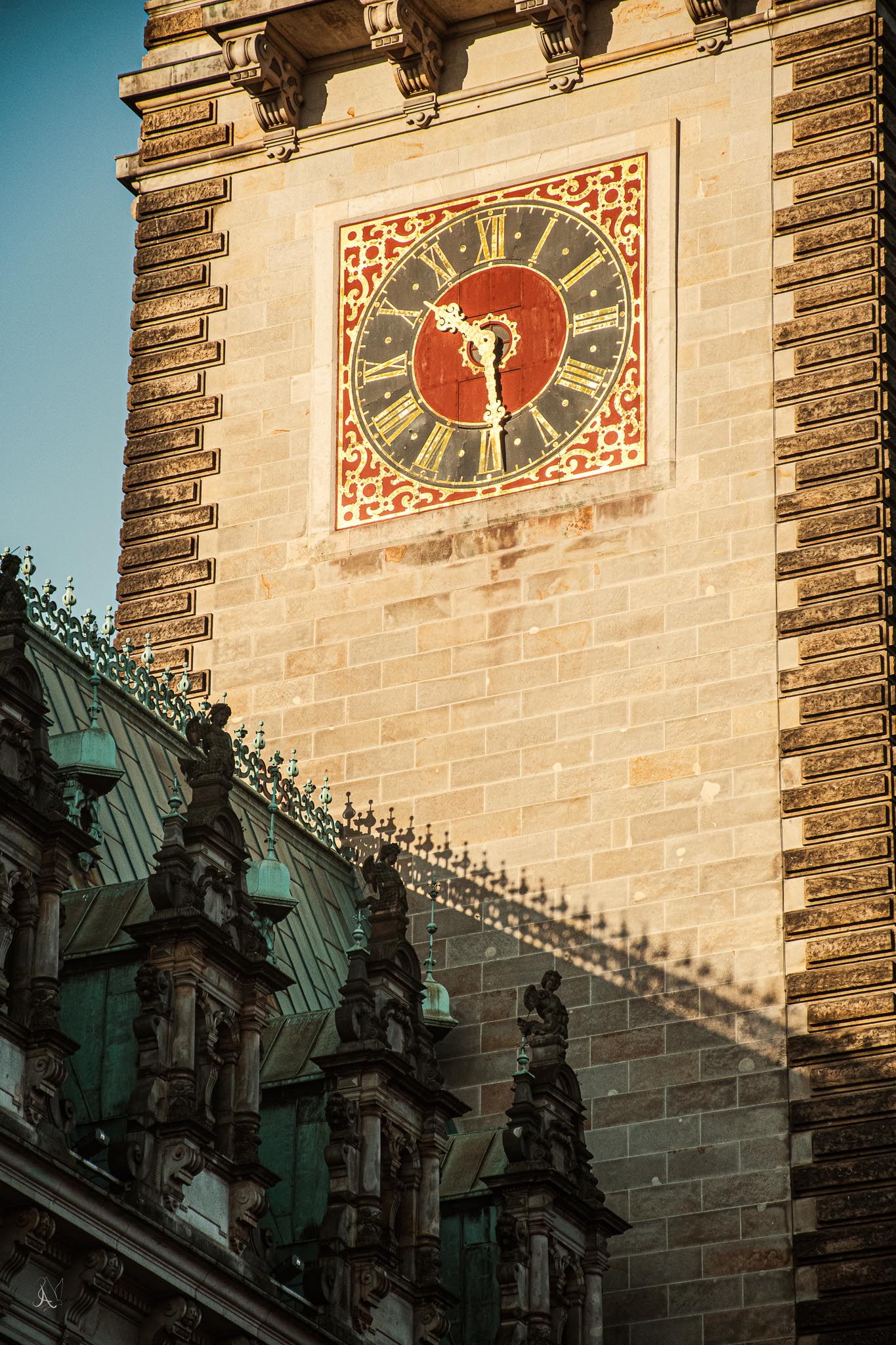
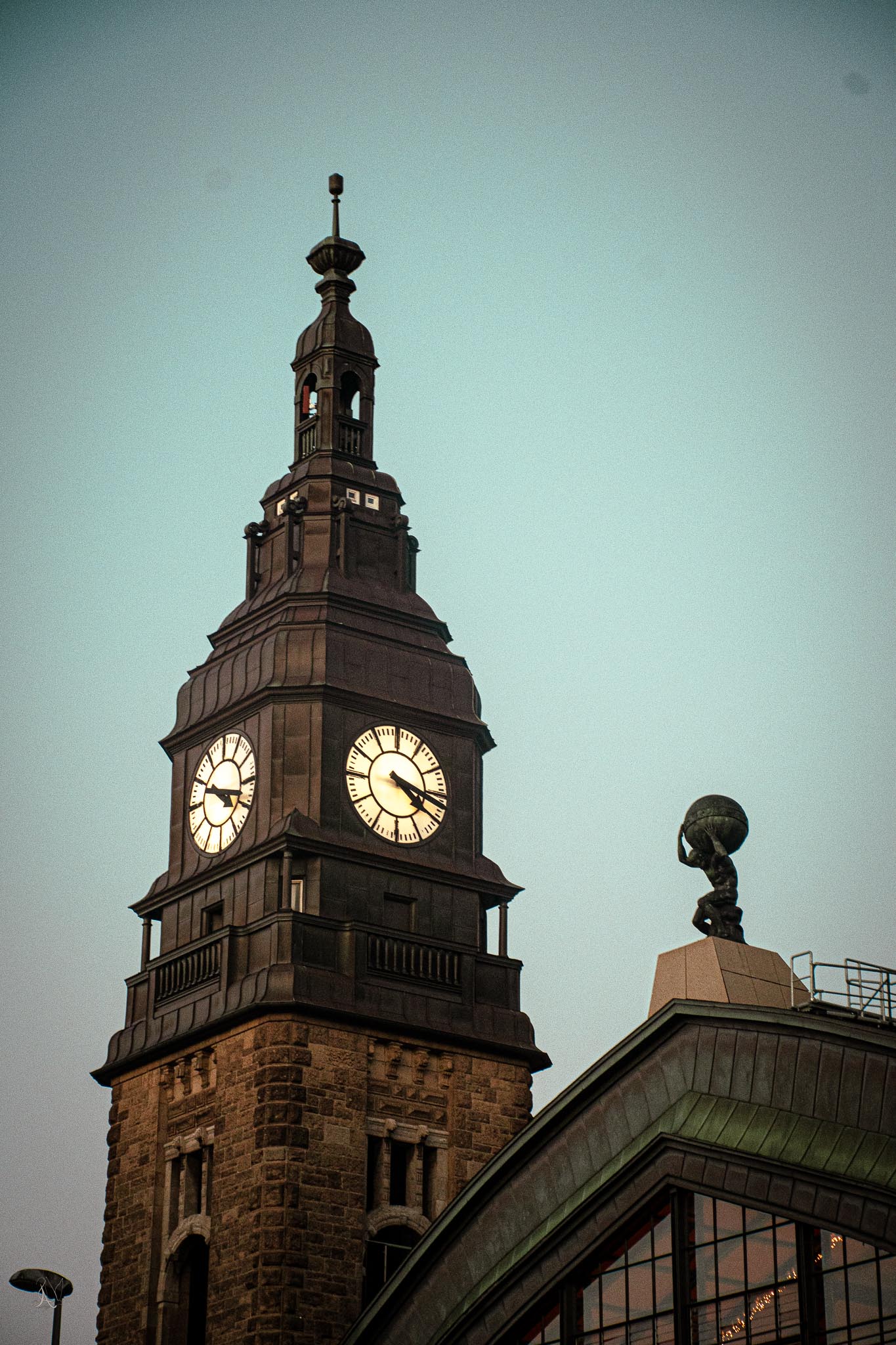
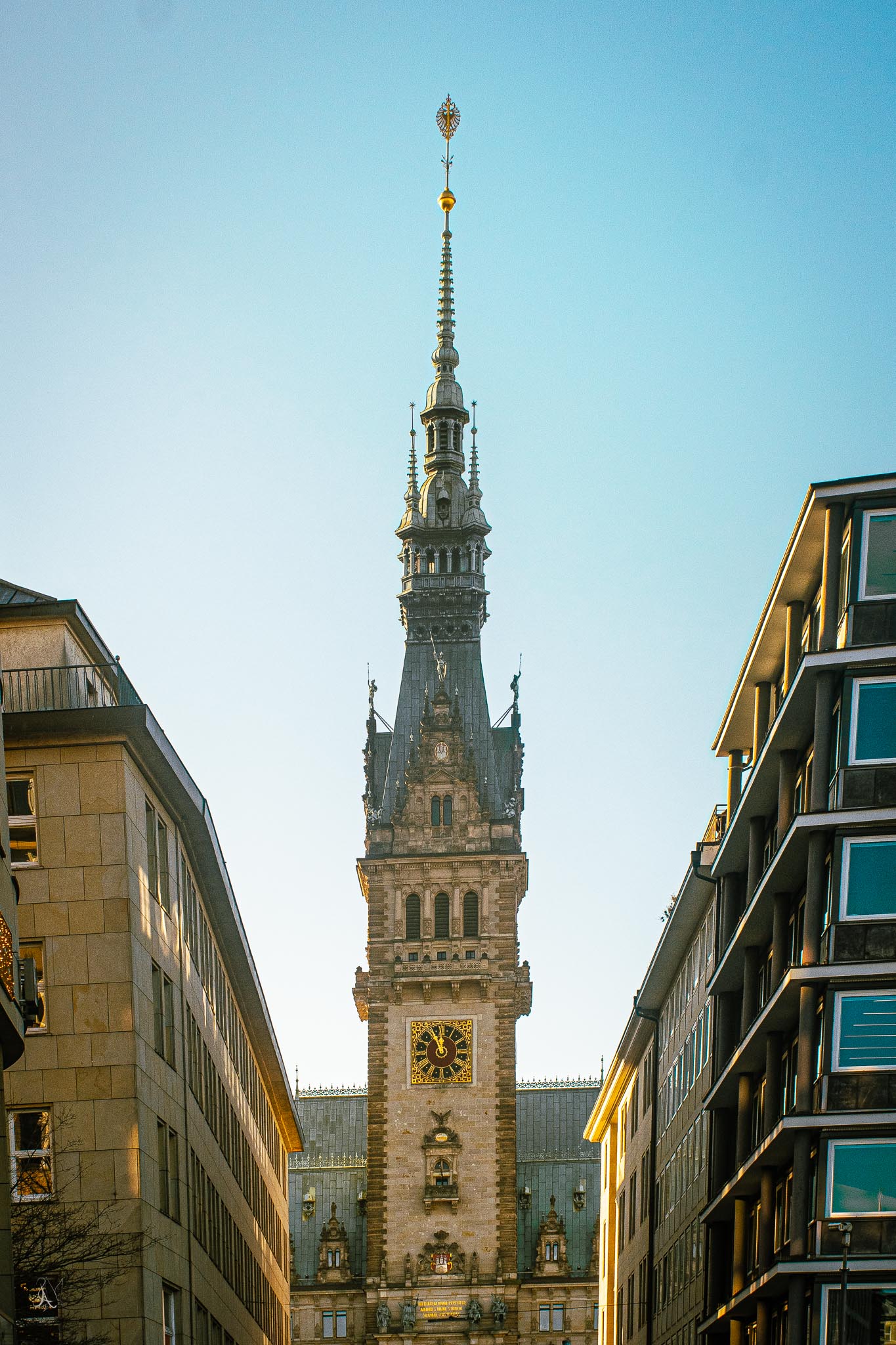
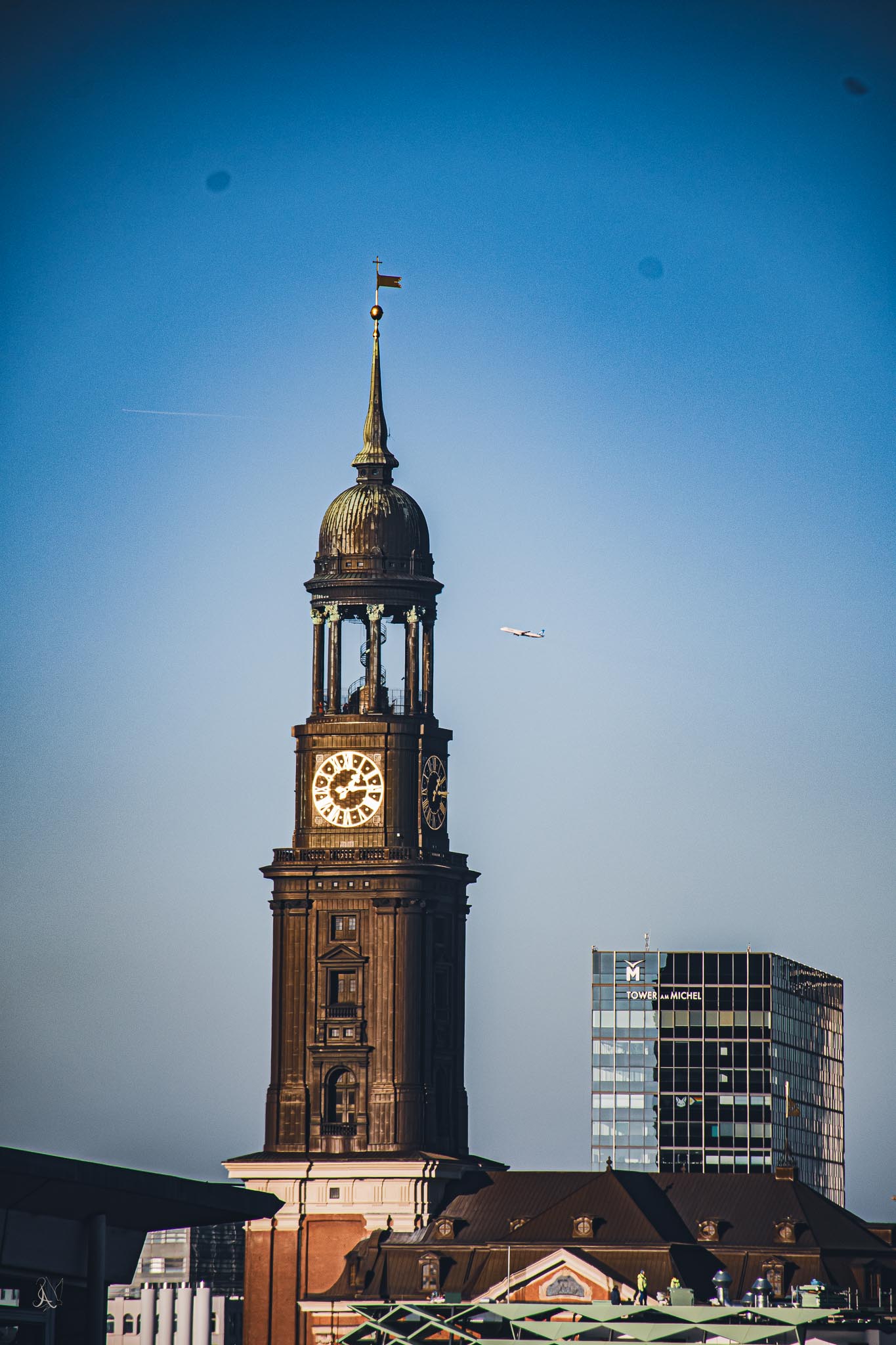
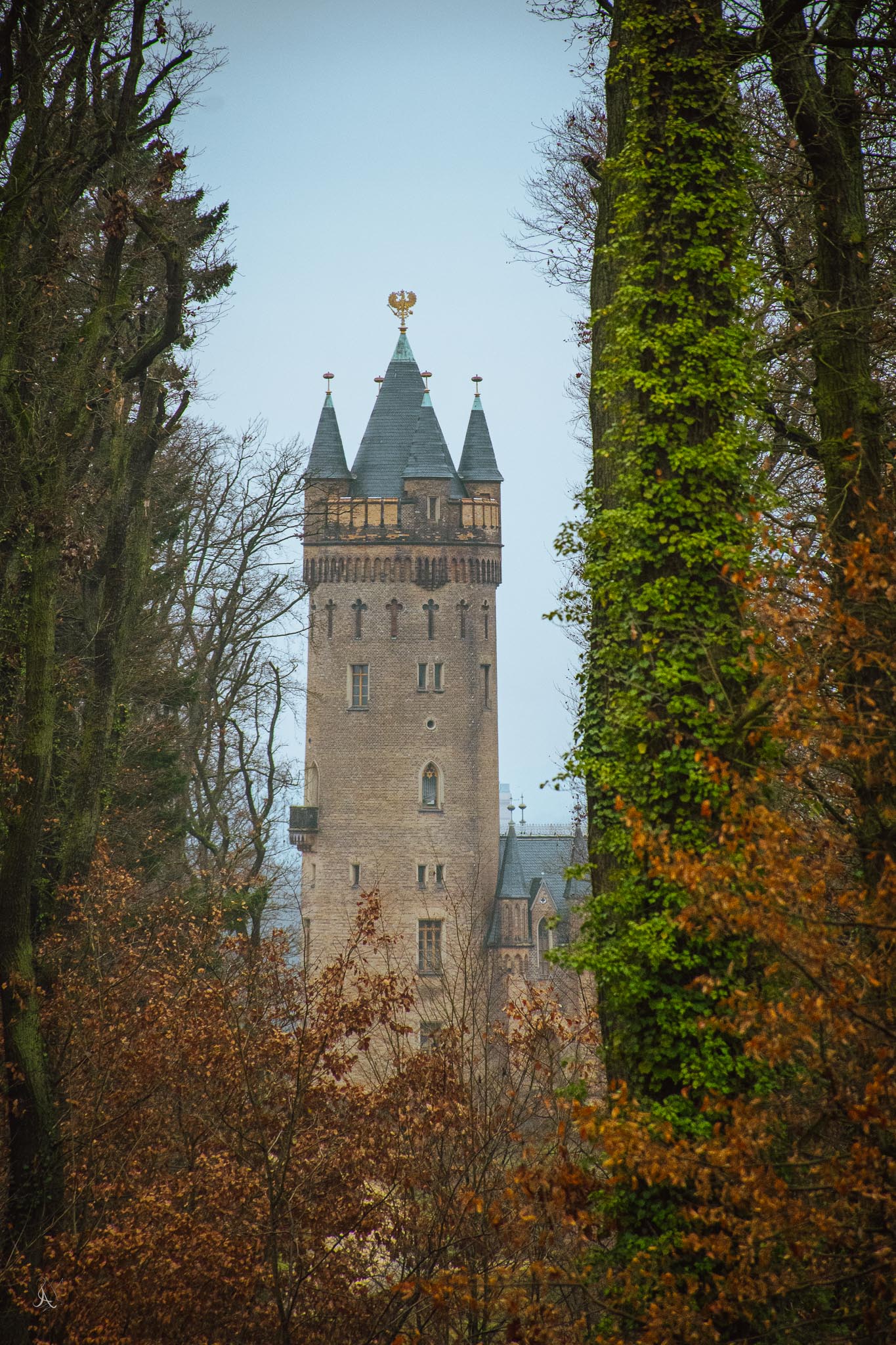
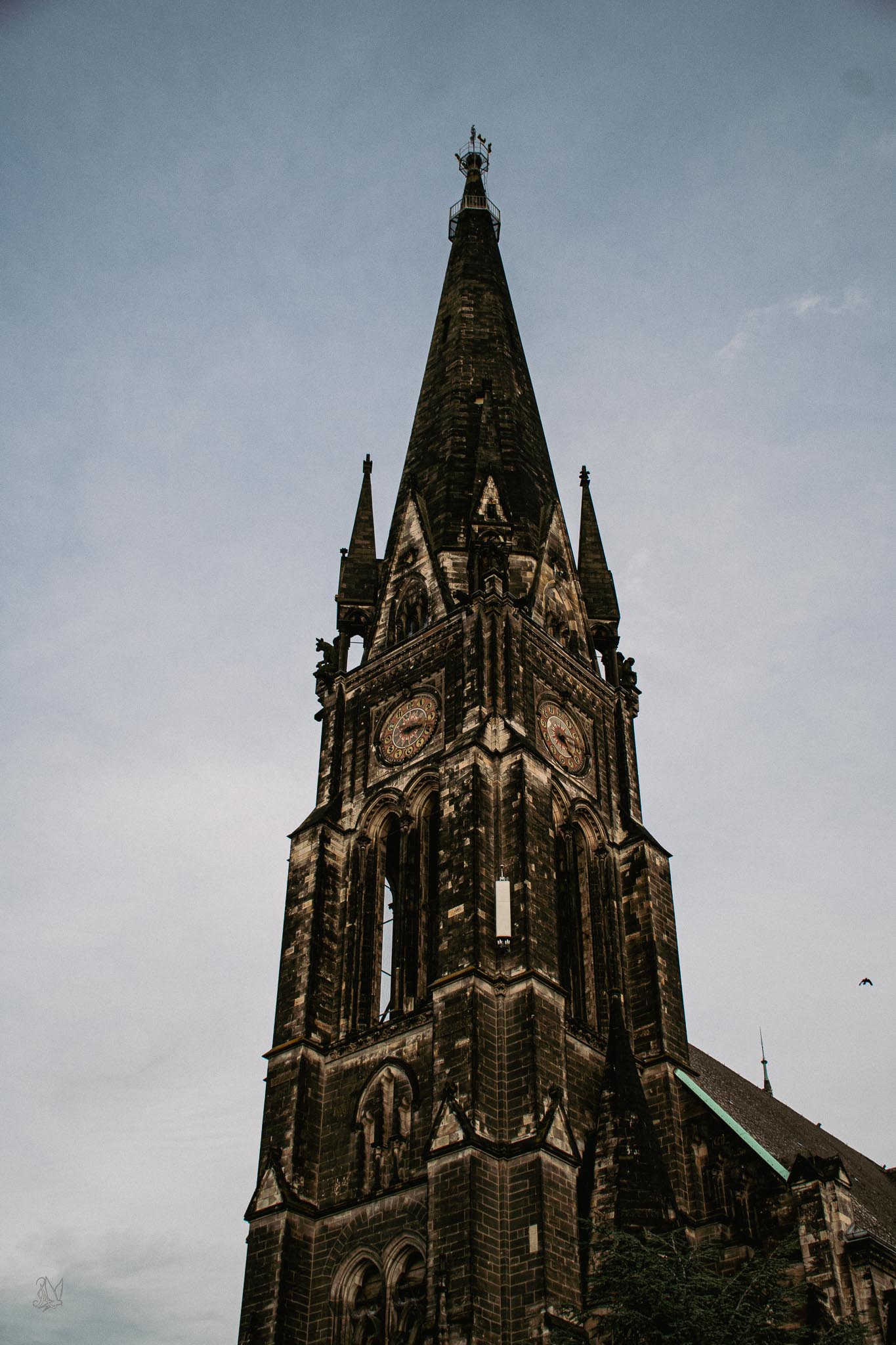
Another thing that I noticed with older structures is they have a interesting obsession with towers. With many sporting massive clocks as a service to all their viewers, these pillars of stone were filled with detail and texture from both their age and materials. Stone weathered by time and copper patinas gave them their own distinct colors. An Eagle often perched itself from these columns shining gold as a testimony to its strength.
Shapes of Modernity
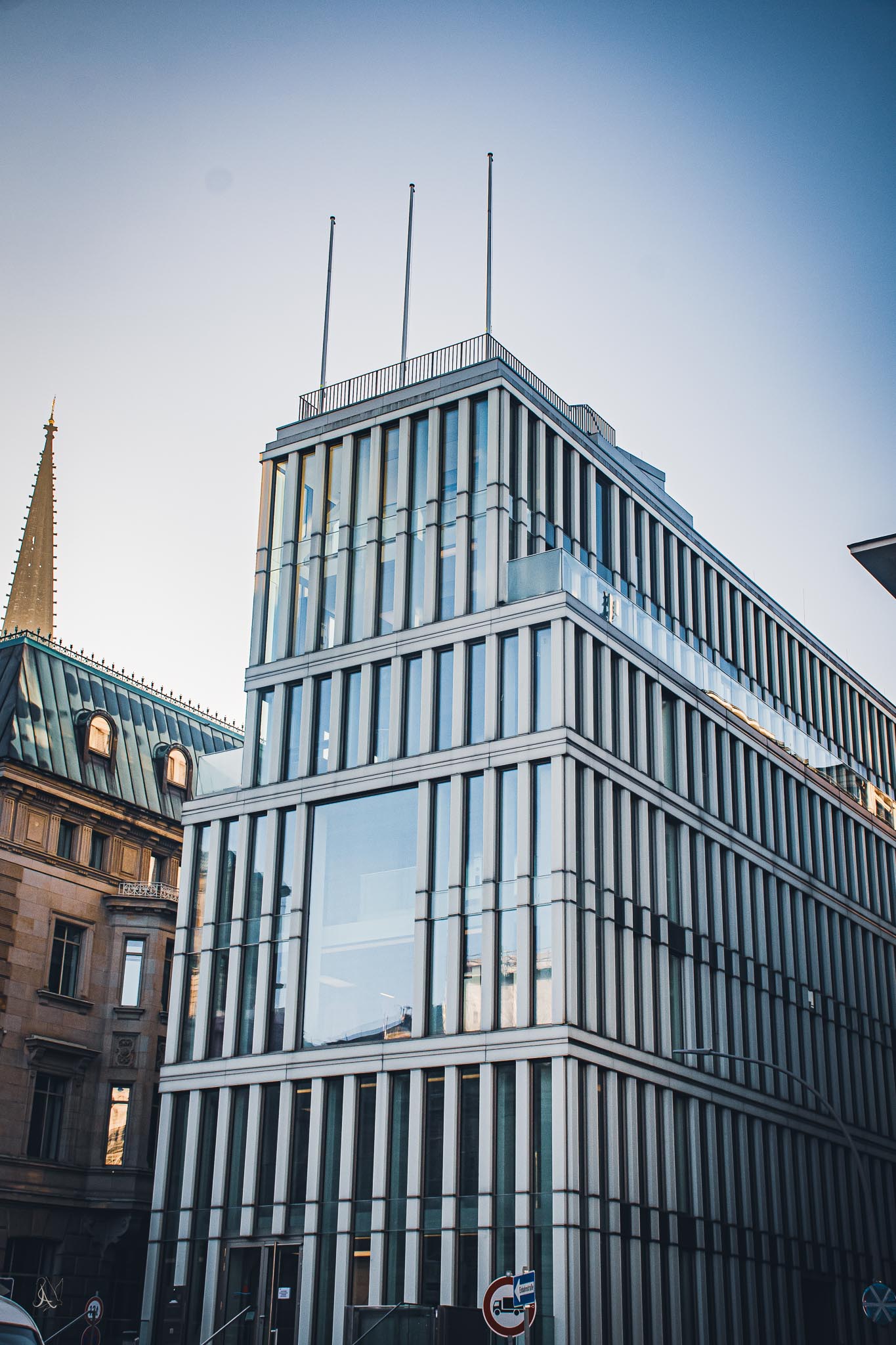
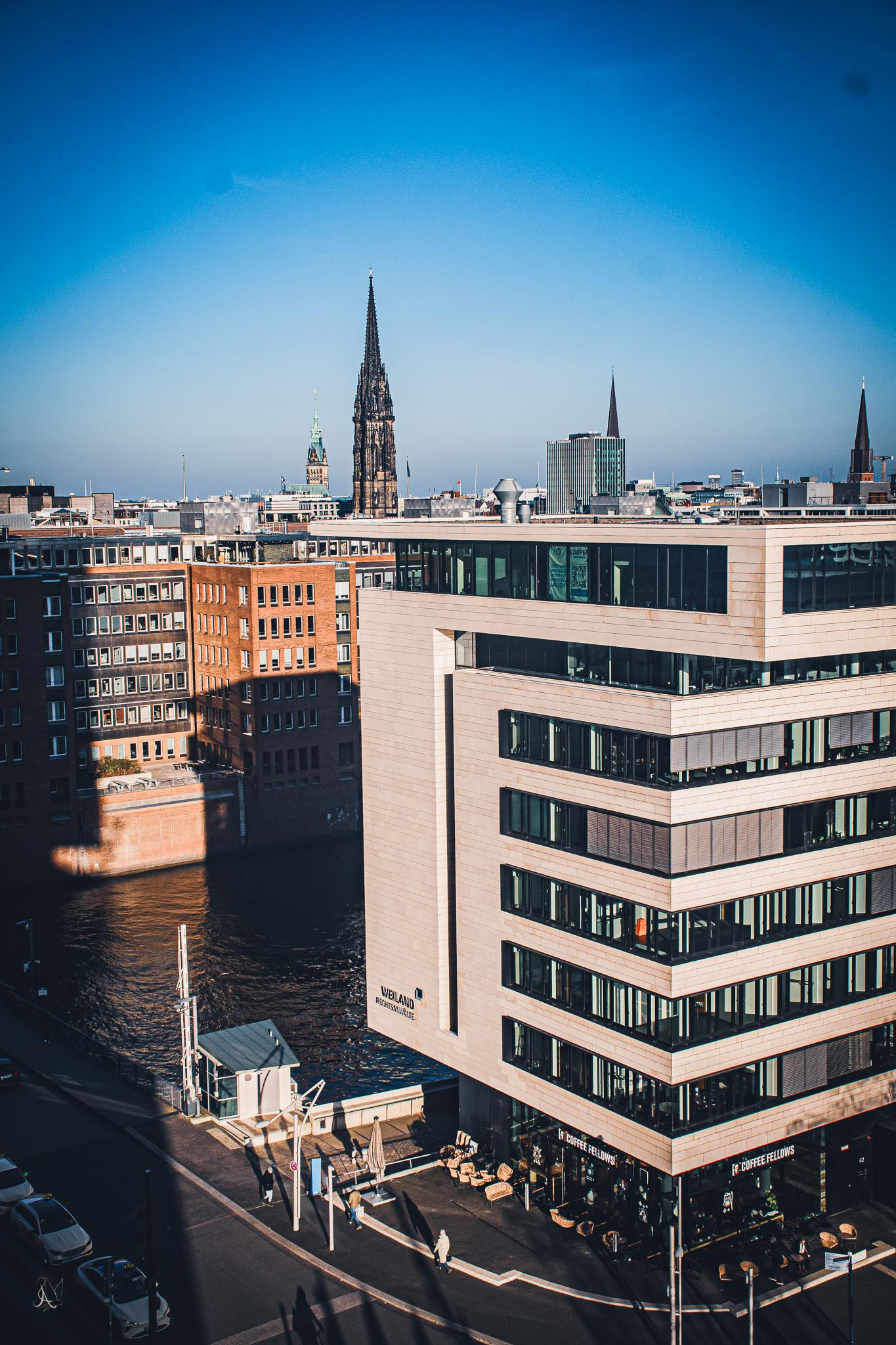
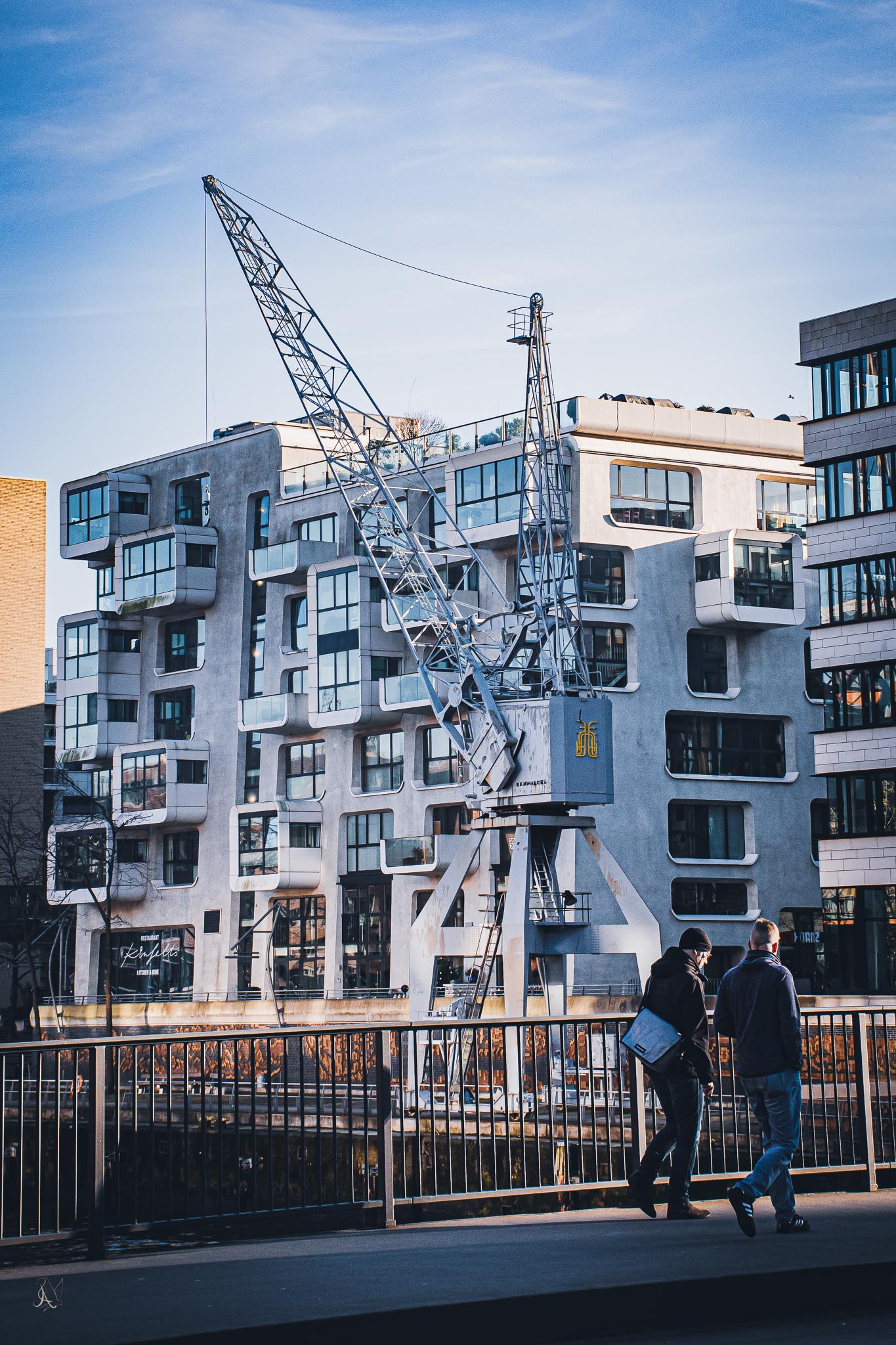
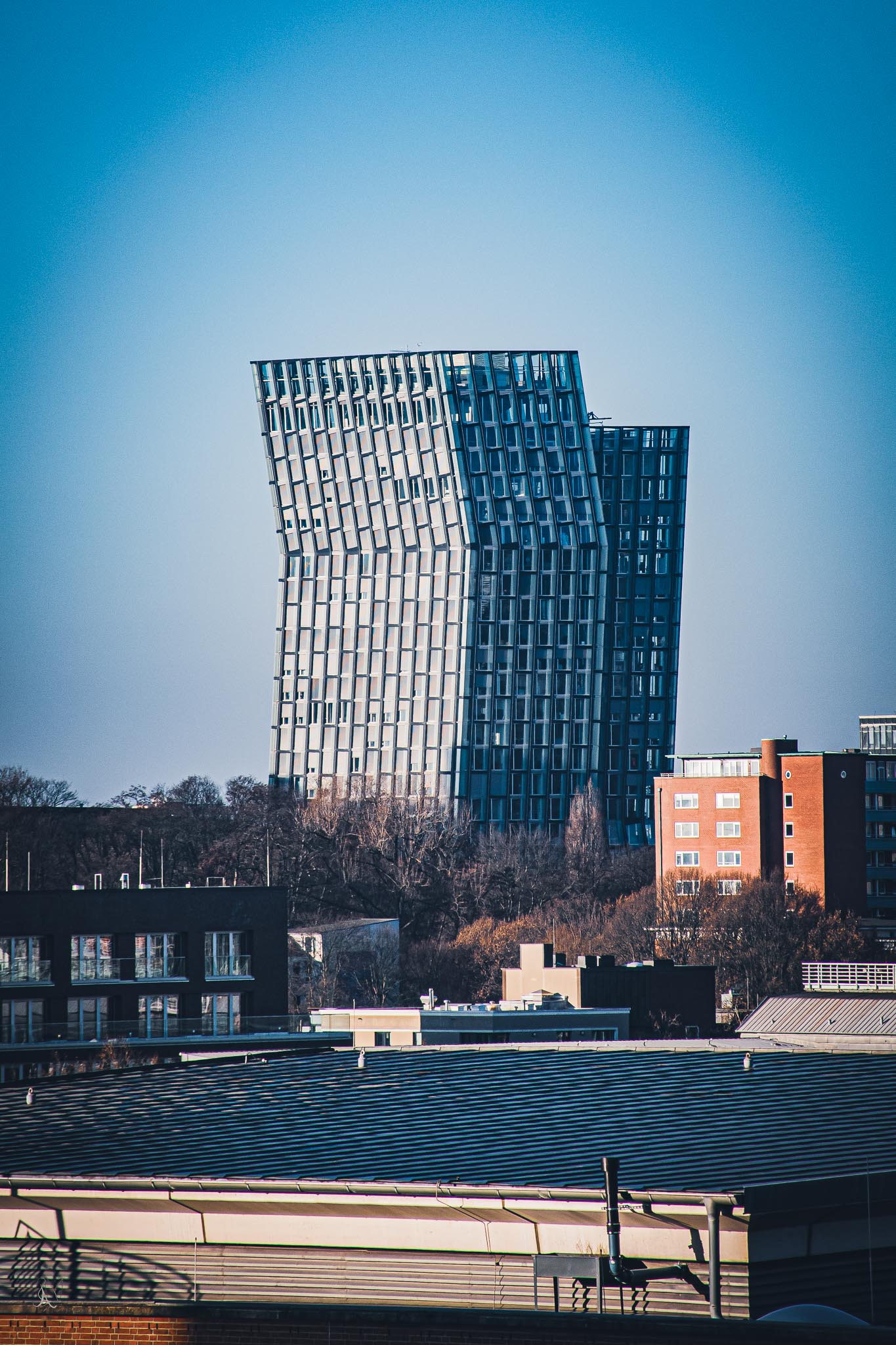
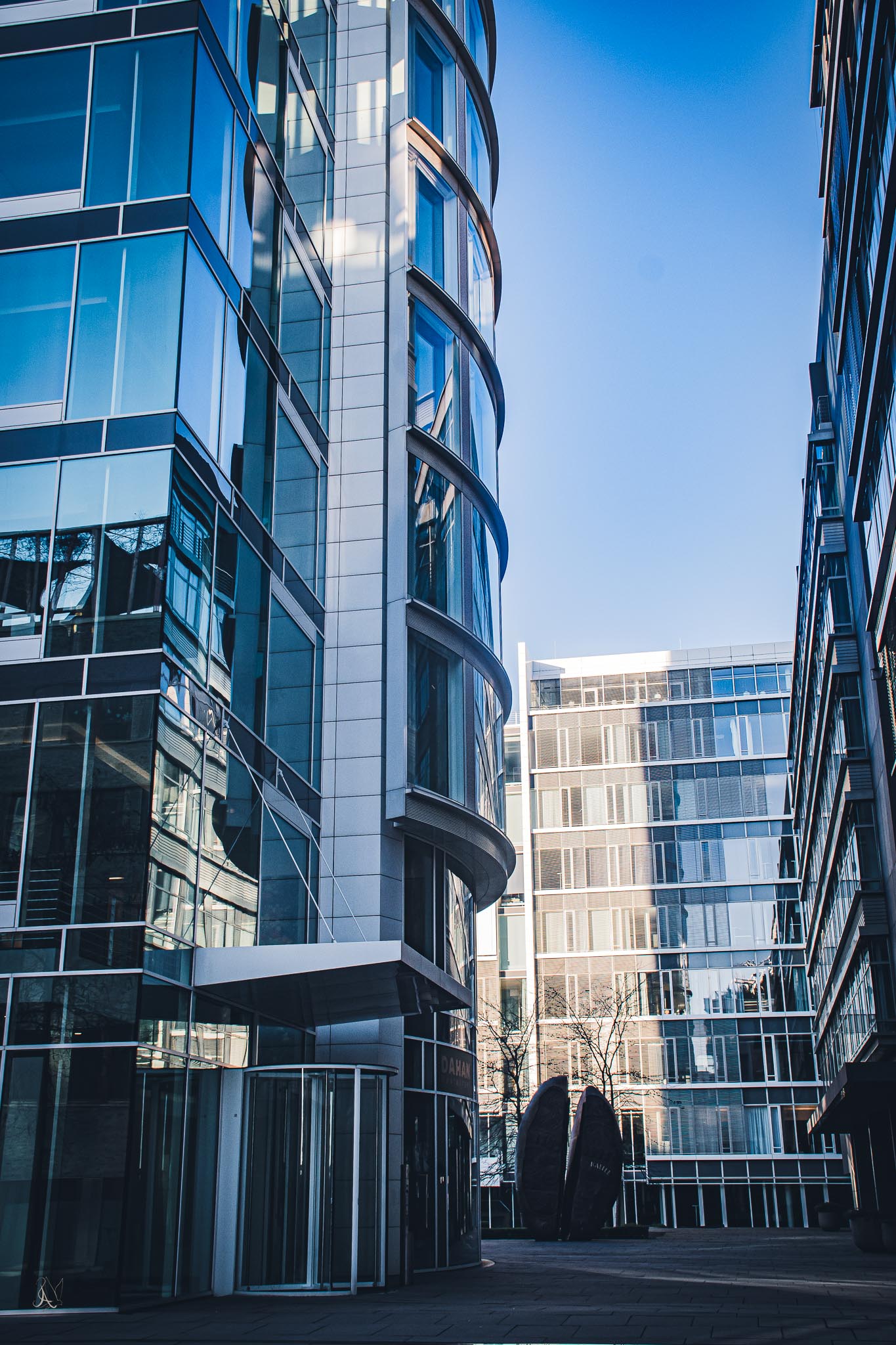
The warmth and strength is taken to a cold calculated construction when viewing the more modern structures built throughout these cities. Their glass covered facades reflected the skies and the waters blue. Sharp angles and new shapes bent and flowed across their bodies. Built with a sturdy foundation of red bricks or steel beams each made its space around them. Hamburg in particular brought out interesting shapes and directions for its buildings. The flowing waves of the Elbphilharmonie fit in well with the steel and glass covered structures surrounding it while matching the bricks that built the harbor of the city.
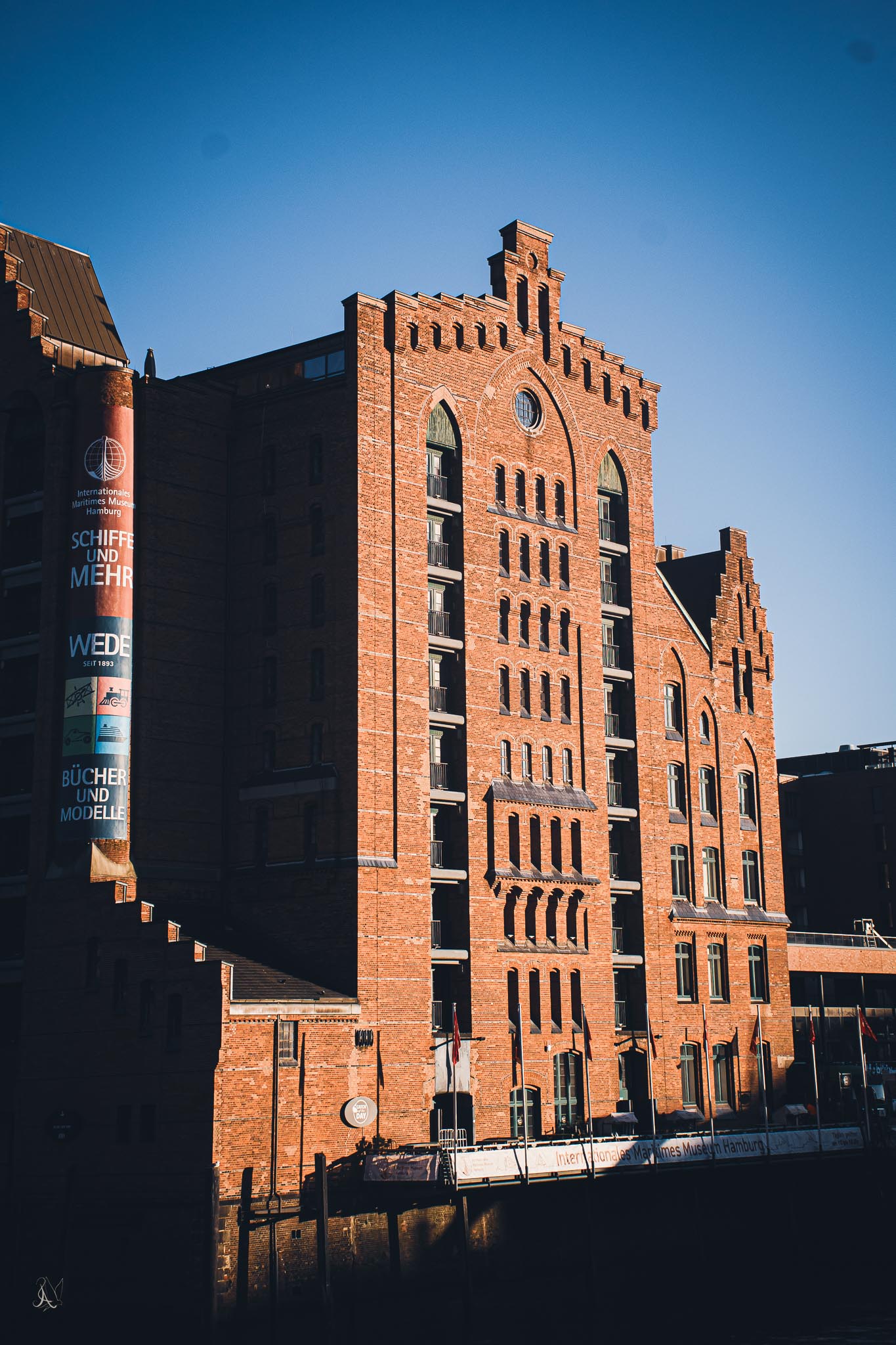
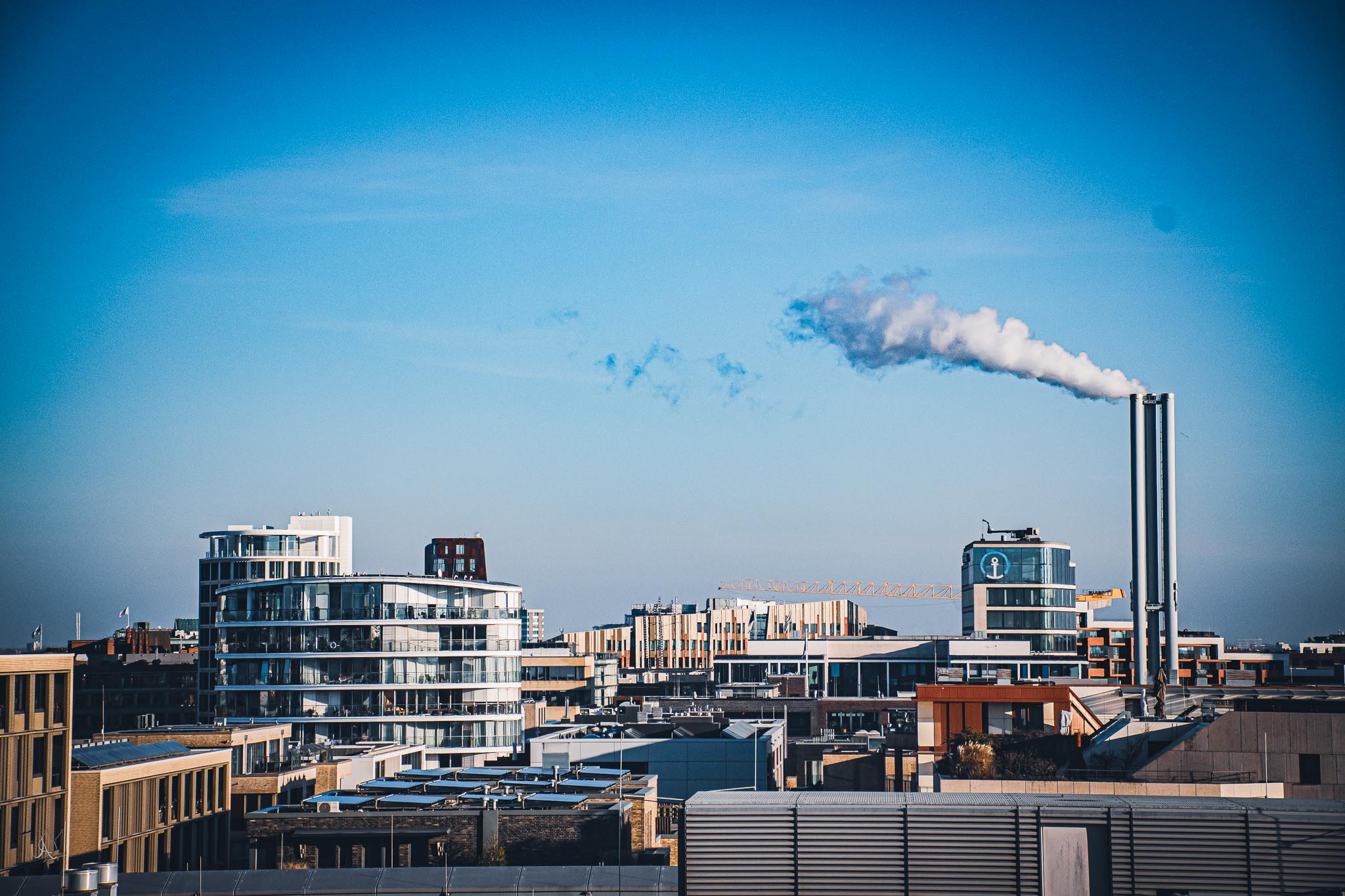
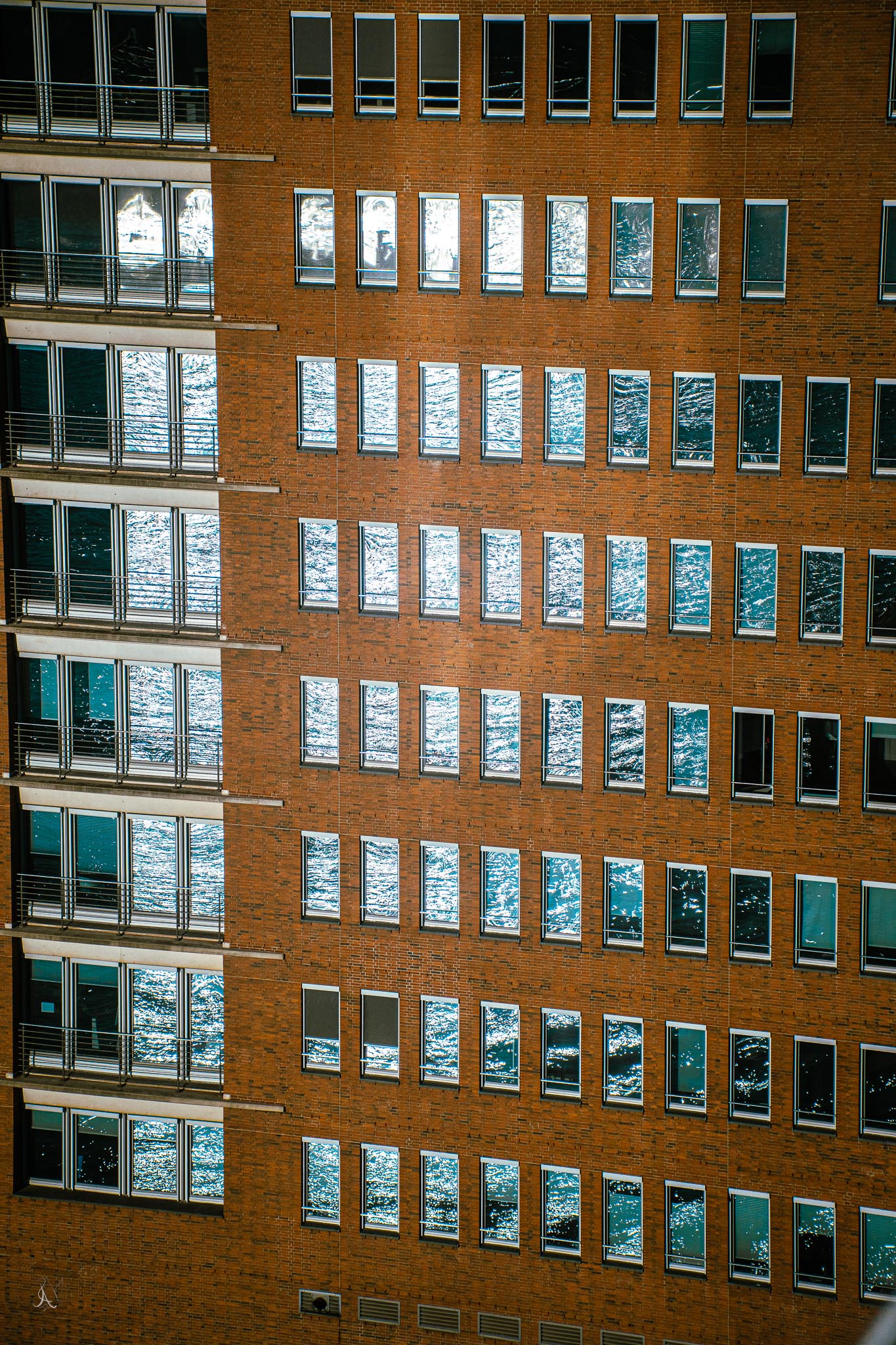
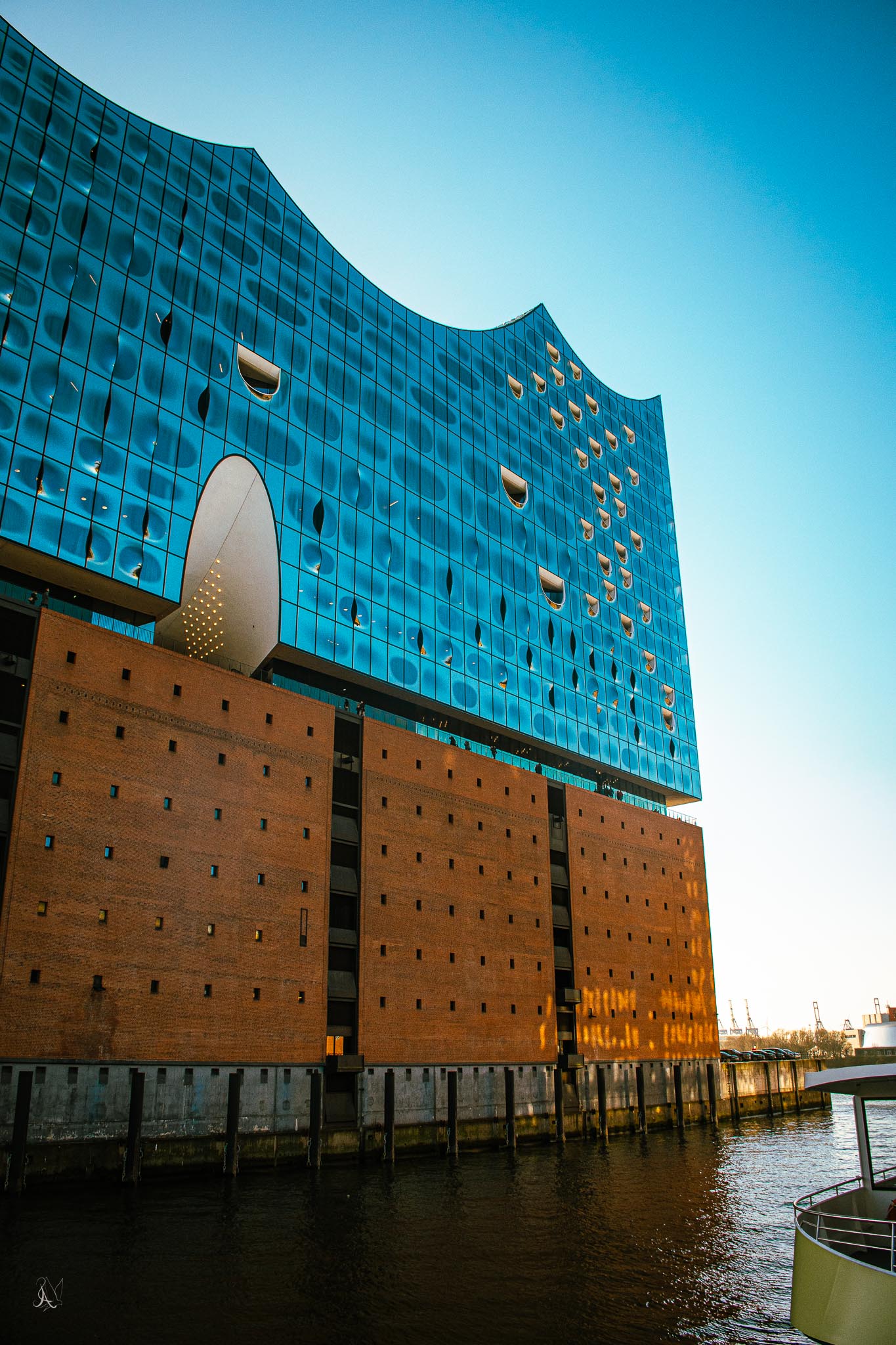
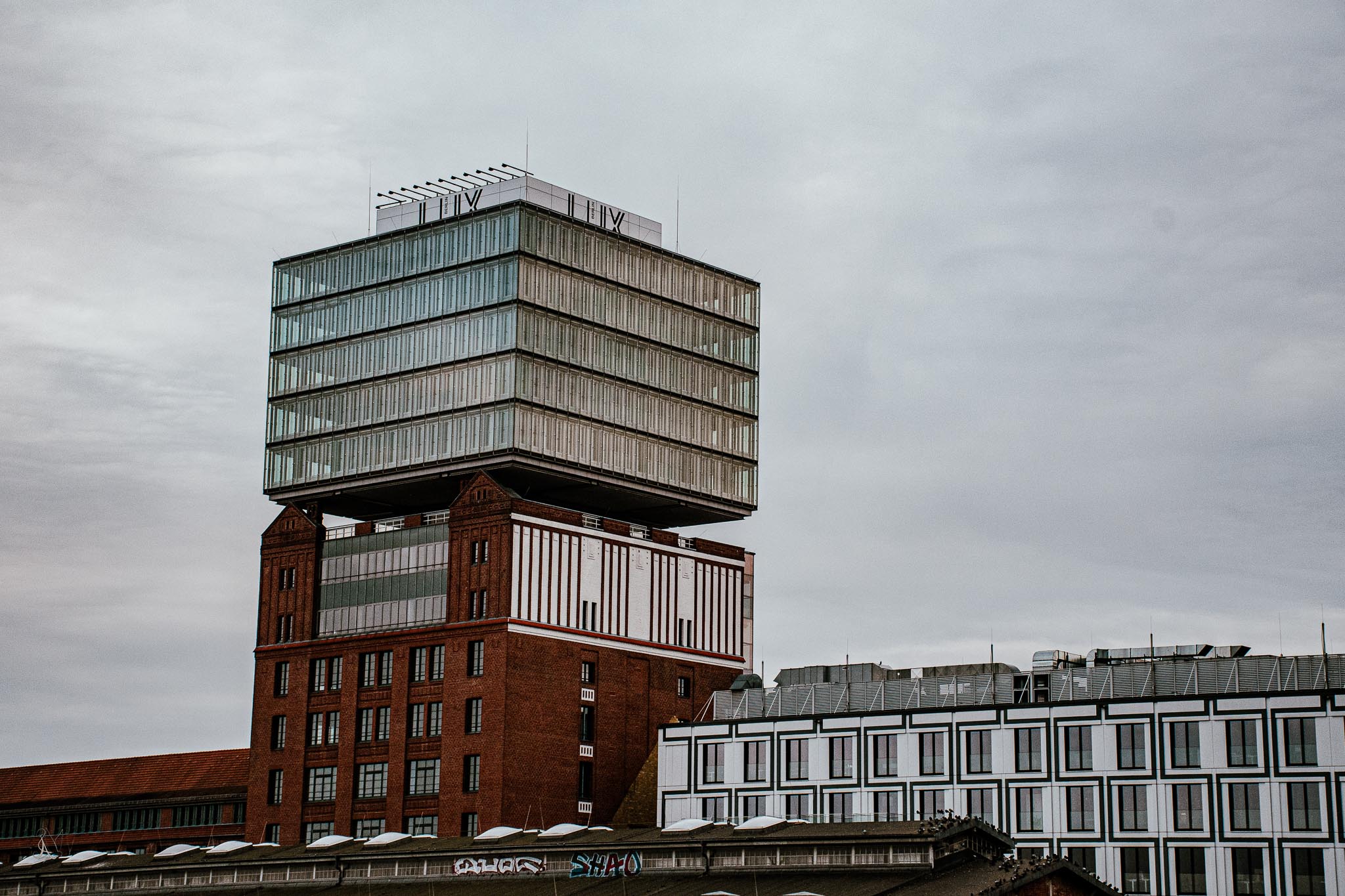
I found the distinct difference between structures that were created with brick and those created with steel to be an interesting contrast when looking at the Hamburg skyline. Both still making an identity for themselves through their history and being a modern invention. The white steel and blocky sculptures that emphasized shape and linearity made the city feel futuristic. While the bricks of the older town built a strong foundation the city to work from these new structures carried it forward into the modern day
Olympiastadion
One of the bigger structures I managed to visit was the Olympiastadion in Western Berlin. Even at nearly a century old I find the style that it was built in feels and acts very modern in my art. Direction is a very important part of creating the image and the way that the curves and strong lines were directed in this building really stuck out to me.
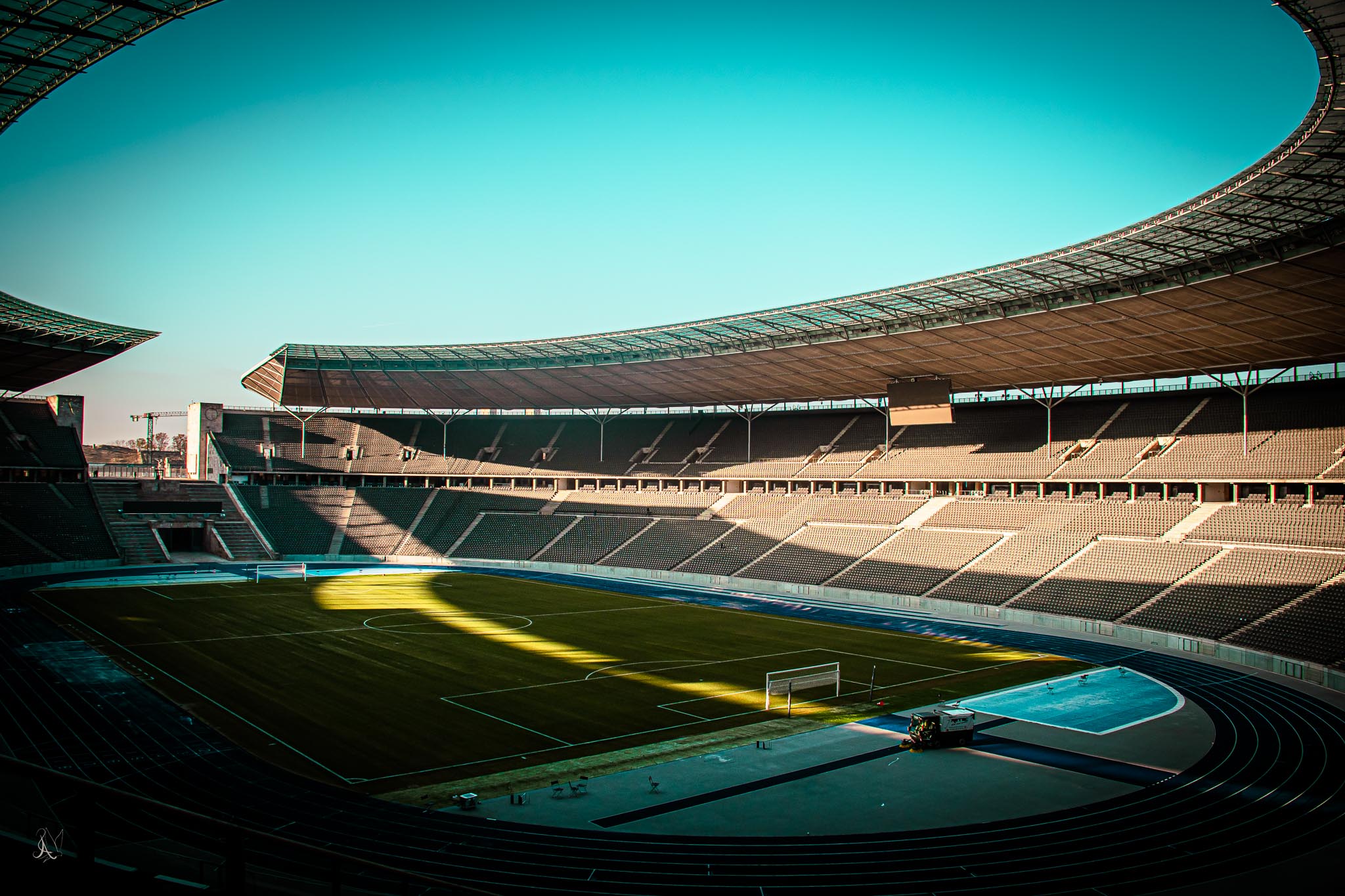
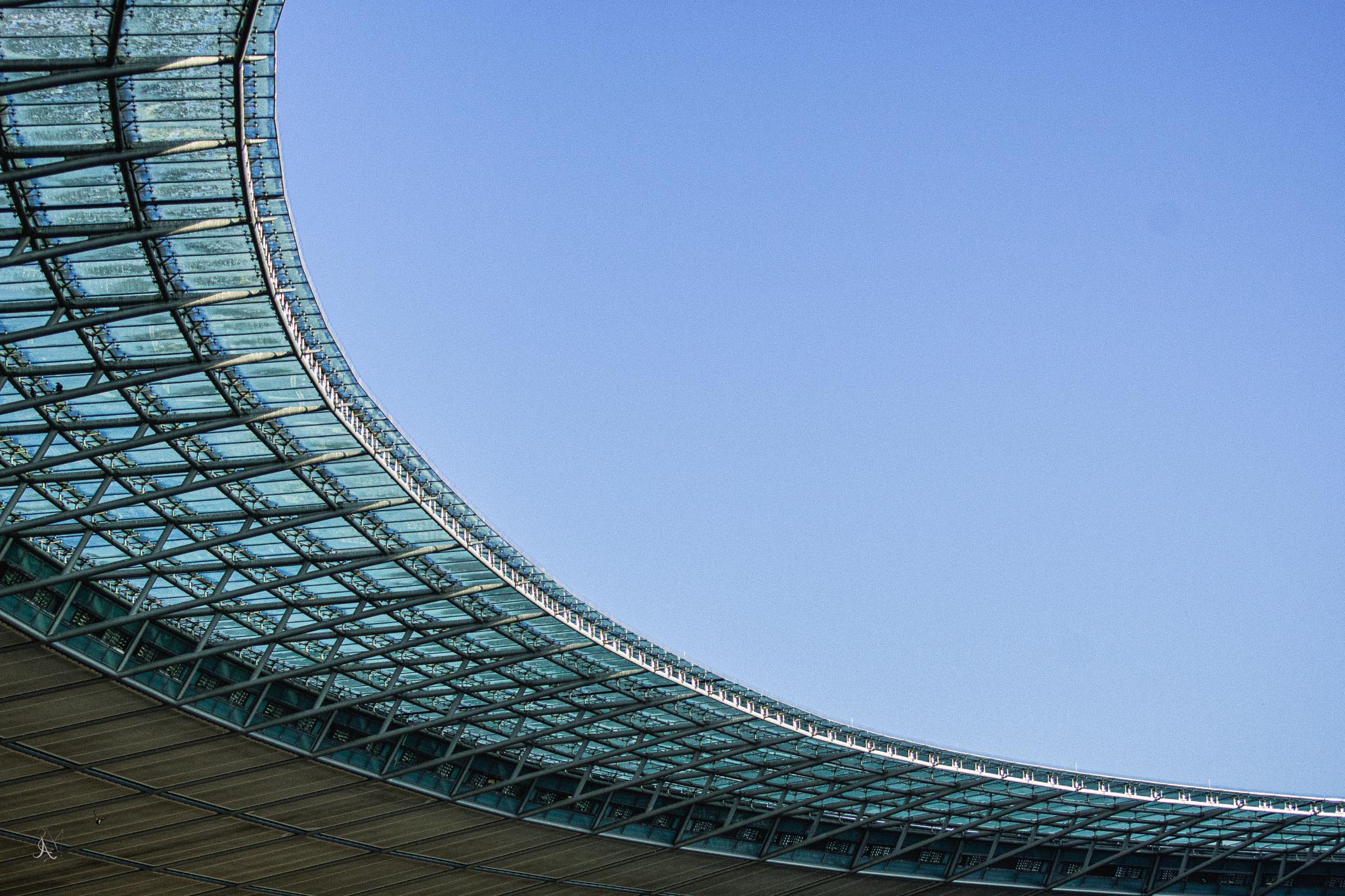
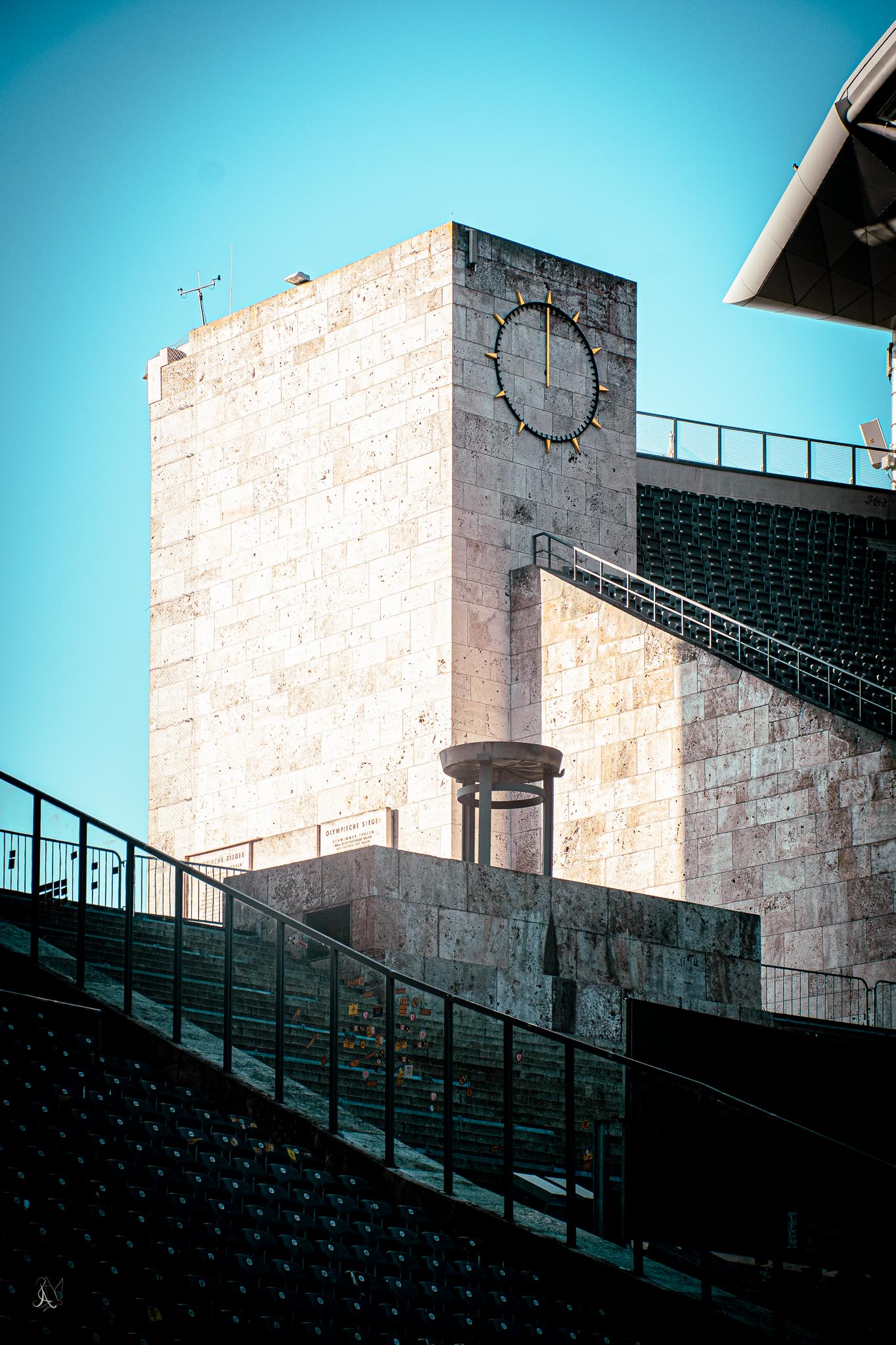
Even with is sleek glass and steel structures it still has a strong brick structure that brings out the brutalist nature of when and how it was built. At a time when showing strength was important to the leaders of germany these massive stone columns would communicate to the world how the country was built to last. I found the contrast between how the colors of blue and orange showed up again here where each specific style had a color match to either color. The cool modern blues and the warm old oranges.
A Light on the Horizon
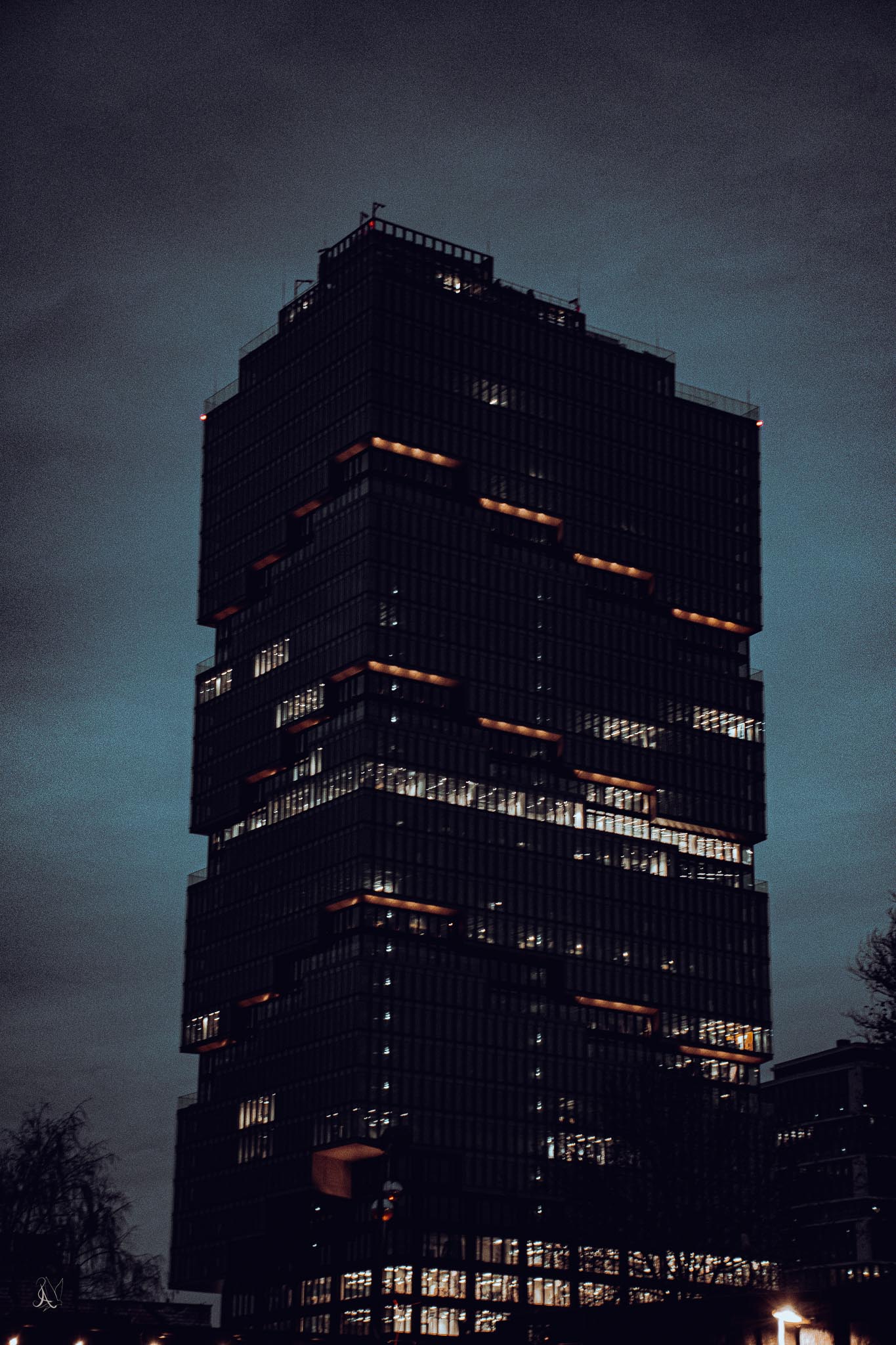
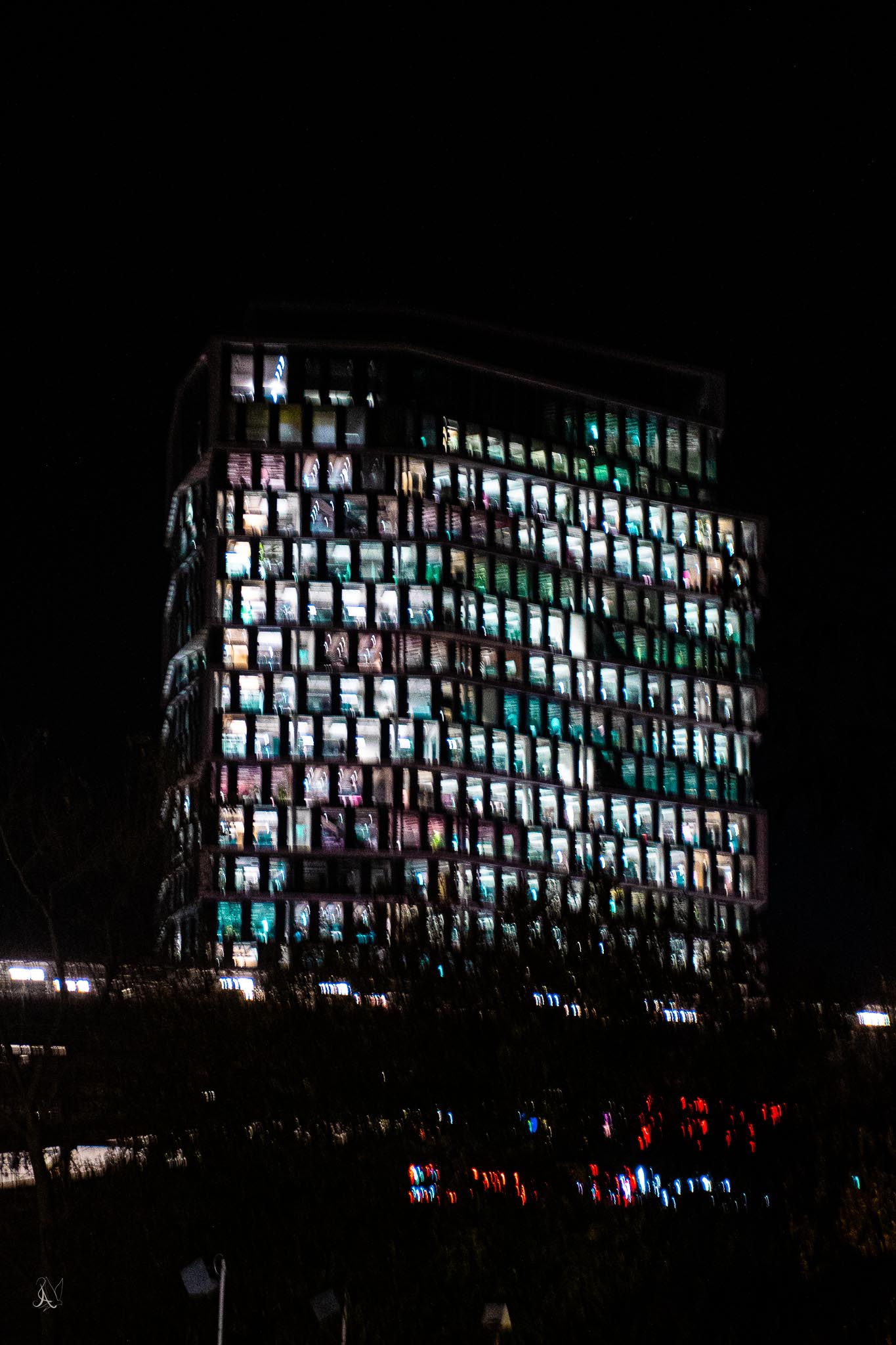
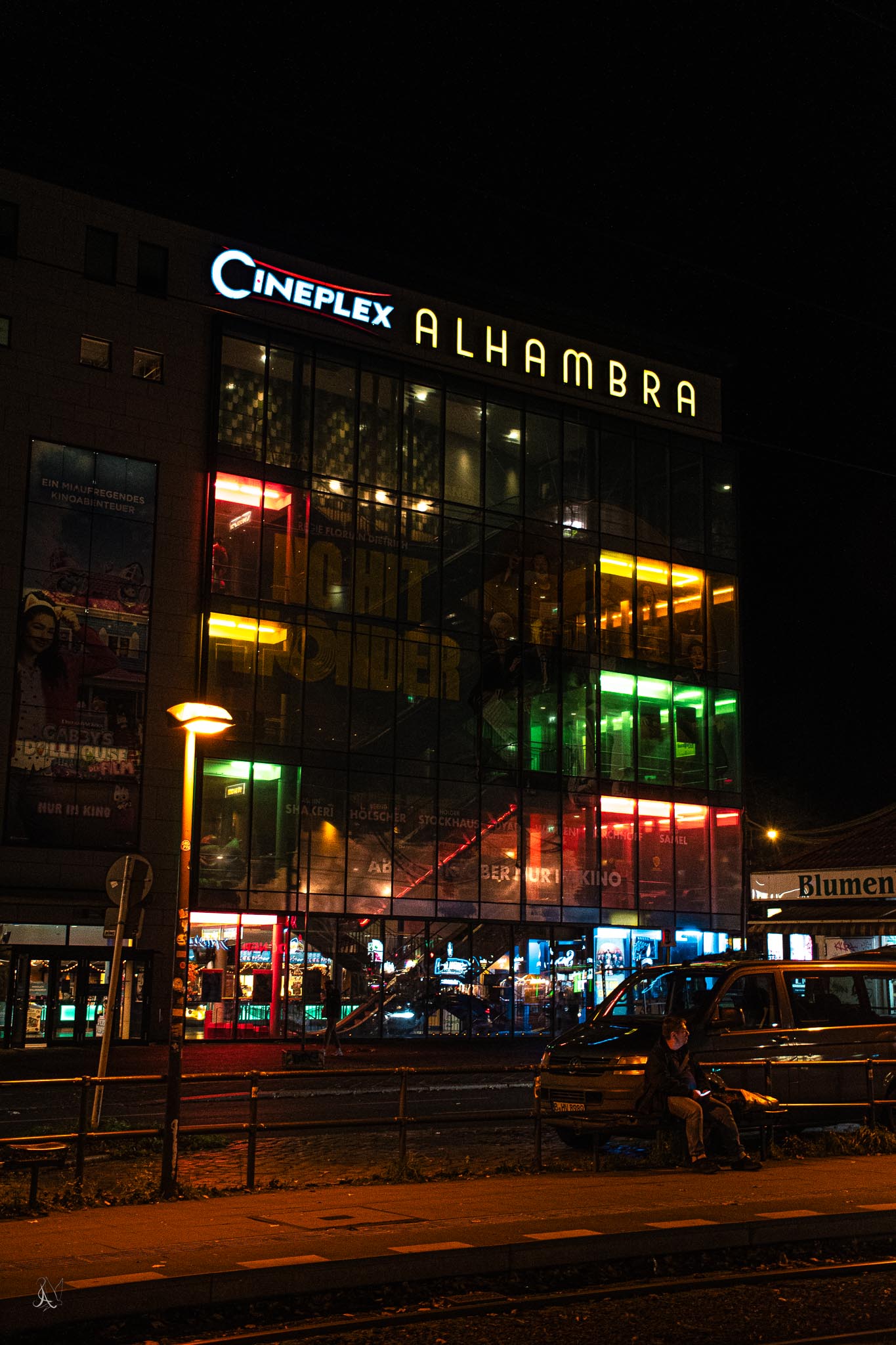
I have learned a lot of interesting information about the way that light affects its environment by moving to the city. Natural light is often easy and even to work with but the complicated and colorful expressions of the night life of Berlin gave me a new challenge that I enjoyed working around. Artificial Light glows in ways the make these buildings more interesting and vibrant.
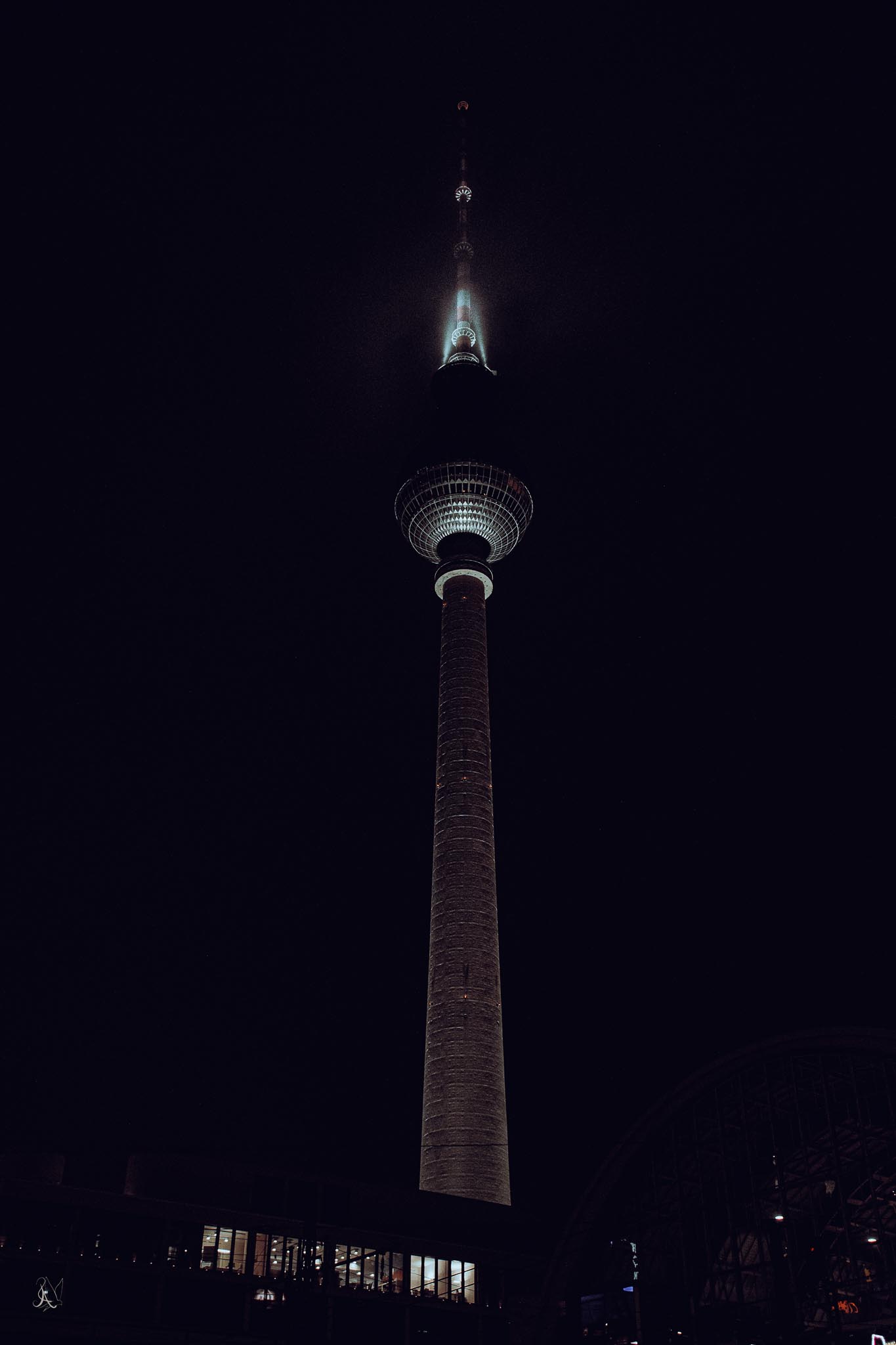
Image Galleries
Modern Hamburg
Old Potsdam
Berlin Steel
Brick Foundations